
So, there’s this thing called the implied powers doctrine, and it’s a pretty big deal when we talk about how the government works. Basically, it’s about powers that aren’t written down word-for-word in the Constitution but are still considered necessary for the government to do its job. It’s like having a toolbox – you have the tools you can see, but you also have the ability to use them in ways you might not have originally thought of, as long as it helps you get the task done. This idea pops up a lot when courts are trying to figure out if a law or an action is actually allowed.
Key Takeaways
- The implied powers doctrine allows the government to exercise powers not explicitly stated in the Constitution, as long as they are necessary to carry out its enumerated powers.
- Judicial interpretation plays a big role in defining the scope of implied powers, balancing the written text with practical needs of governance.
- This doctrine is essential for effective governance, enabling the government to adapt to changing circumstances and address unforeseen issues.
- Federalism impacts implied powers, as the division of authority between national and state governments can influence which level of government can exercise certain implied powers.
- Limitations on governmental power, such as separation of powers and due process, still apply even when implied powers are being exercised.
Understanding The Implied Powers Doctrine
The doctrine of implied powers shapes how governments function beyond what is explicitly spelled out in foundational legal documents. Although not every power is directly listed, governments need flexibility to solve new problems and address unexpected situations. Implied powers give institutions the ability to carry out their essential roles, even when the law doesn’t provide step-by-step instructions.
Constitutional Foundations Of Governmental Authority
Every government traces its authority to a document or set of principles that says who’s in charge and what they can do. In the United States, the Constitution is the prime source. It assigns specific powers to the branches of government, but it can’t list every action or response government will ever need. That gap—between written law and practical reality—is where implied powers emerge. Implied powers let government handle responsibilities that are closely connected to what’s directly written down but aren’t listed word-for-word.
- Authority flows from a written constitution.
- Not all governmental actions are specifically described.
- Implied powers fill in the practical gaps between strict text and actual government needs.
The need for implied powers often becomes clear when the government faces a challenge that the original drafters never could have predicted. For example, new technology or societal changes may require action without direct constitutional reference.
The Principle Of Enumerated Powers
Enumerated powers are those that a constitution, charter, or statute spells out clearly. For instance, Congress is told exactly what it can do: collect taxes, regulate commerce, declare war, and so on. But these lists aren’t exhaustive. The Founders knew they couldn’t predict every future detail, so they wrote in general terms and allowed for interpretation.
Here’s how the powers typically break down:
| Type of Power | Description | Example |
|---|---|---|
| Enumerated | Specifically listed in the Constitution | Declaring war |
| Implied | Not listed but necessary to enforce enumerated | Setting up a national bank |
| Prohibited/Reserved | Explicitly denied or held for states/people | Granting titles of nobility |
Necessity And Implication In Governance
Sometimes, sticking just to what’s written would paralyze government. Here’s where necessity comes in: when an action is necessary and proper for carrying out assigned tasks, it may be justified as an implied power. This logic is at the heart of the Necessary and Proper Clause in the U.S. Constitution. It’s not about stretching power to the breaking point, but about making government effective to carry out its written responsibilities.
Governments use implied powers to:
- Fill practical gaps where text is silent
- Adapt to new challenges as society changes
- Make administrative processes workable
Without the flexibility to use implied powers, a government could quickly become outdated and unable to protect public interests or General Welfare.
Judicial Interpretation And Constitutional Meaning
Balancing Textual Meaning And Practical Function
When courts look at the Constitution, they don’t just read the words on the page in isolation. They have to figure out what those words actually mean in the real world, and how they apply to situations the Founders might not have even imagined. It’s a constant balancing act. On one hand, there’s the idea of sticking to what the text plainly says. On the other, there’s the need for the Constitution to actually work as a governing document today. This means judges often look at the purpose behind a clause, not just its literal wording.
The Role Of Judicial Review
This is where courts get their power to say if a law passed by Congress or an action taken by the President is actually allowed under the Constitution. If a court finds something unconstitutional, it can strike it down. This power, known as judicial review, is super important for keeping the government in check. It’s not explicitly written in the Constitution, but it’s been accepted as a core part of how our system works, thanks to landmark cases.
- Key Functions of Judicial Review:
- Upholding constitutional supremacy.
- Resolving disputes over governmental authority.
- Protecting individual rights from government overreach.
Standards Of Constitutional Scrutiny
When a law is challenged, courts don’t just decide yes or no. They use different levels of review, called standards of scrutiny, depending on what’s at stake. For laws that affect fundamental rights or target specific groups, courts apply strict scrutiny, meaning the government has to show a really good reason for the law. For other laws, the standard is much lower, and the government just needs a rational basis. This tiered approach helps courts decide how closely to examine a law.
The level of scrutiny a court applies significantly impacts the outcome of a constitutional challenge. It dictates how much evidence the government must present to justify its actions and influences the likelihood of the law being upheld.
Sources Of Constitutional Authority
Understanding where constitutional authority comes from is about more than memorizing a list. Each source shapes how governments operate, how courts interpret rules, and how laws are enforced day in and day out. Let’s break down the main sources and see why they matter today.
Written Constitutions As Supreme Law
A written constitution stands as the supreme legal reference, providing the backbone for all government powers and responsibilities. Without this document, there would be no clear road map on what governments or officials are allowed to do. It’s not just about structure but also about real limitations—certain rights and procedures are spelled out in black and white. This hierarchy means if any law or government action clashes with the constitution, the constitution wins, no debate. The written constitution isn’t just a historical artifact—it’s the measure for legality. For more on how constitutions anchor government and individual freedoms, see government structure and authority.
- Acts as the highest law, above statutes or regulations
- Clearly outlines government structure and division of powers
- Protects defined individual rights
Judicial Precedent And Interpretive Doctrines
Courts play a big part in shaping constitutional meaning. When judges interpret the constitution or past cases, their decisions set patterns known as precedents. These serve as unofficial guides—courts generally stick to what’s been decided before unless there’s a strong reason not to. Interpretive doctrines are the tools courts use to make these decisions logical and consistent. Sometimes the text is clear; sometimes, not so much. That’s where judges rely on history, past rulings, or even contemporary needs to make sense of vague parts.
- Precedent ensures stability and predictability
- Interpretive approaches include:
- Sticking closely to the text
- Considering historical context
- Adapting principles to new situations
- Doctrines help fill gaps where the constitution is silent
The way a constitution is applied in real life often depends less on what the words are and more on how judges interpret them—as their decisions ripple out, they quietly steer society’s direction.
Foundational Legal Principles
Behind every constitution and every court case are basic ideas that rarely change. Principles like the rule of law (everyone is subject to the law), separation of powers, judicial review, and federalism are like the nuts and bolts that keep the system working. They provide boundaries for both government and citizens.
| Principle | Function |
|---|---|
| Rule of Law | Limits arbitrary government action |
| Separation of Powers | Prevents concentration of authority |
| Judicial Review | Allows courts to strike down unlawful acts |
| Federalism | Divides power between national/states |
These underlying concepts don’t often make the news, but they hold everything together, quietly stopping any one part of government from taking over.
So, while the constitution is set in writing, it’s the mix of text, precedent, and core principles that gives legal systems flexibility and stability.
The Scope Of Legislative Authority
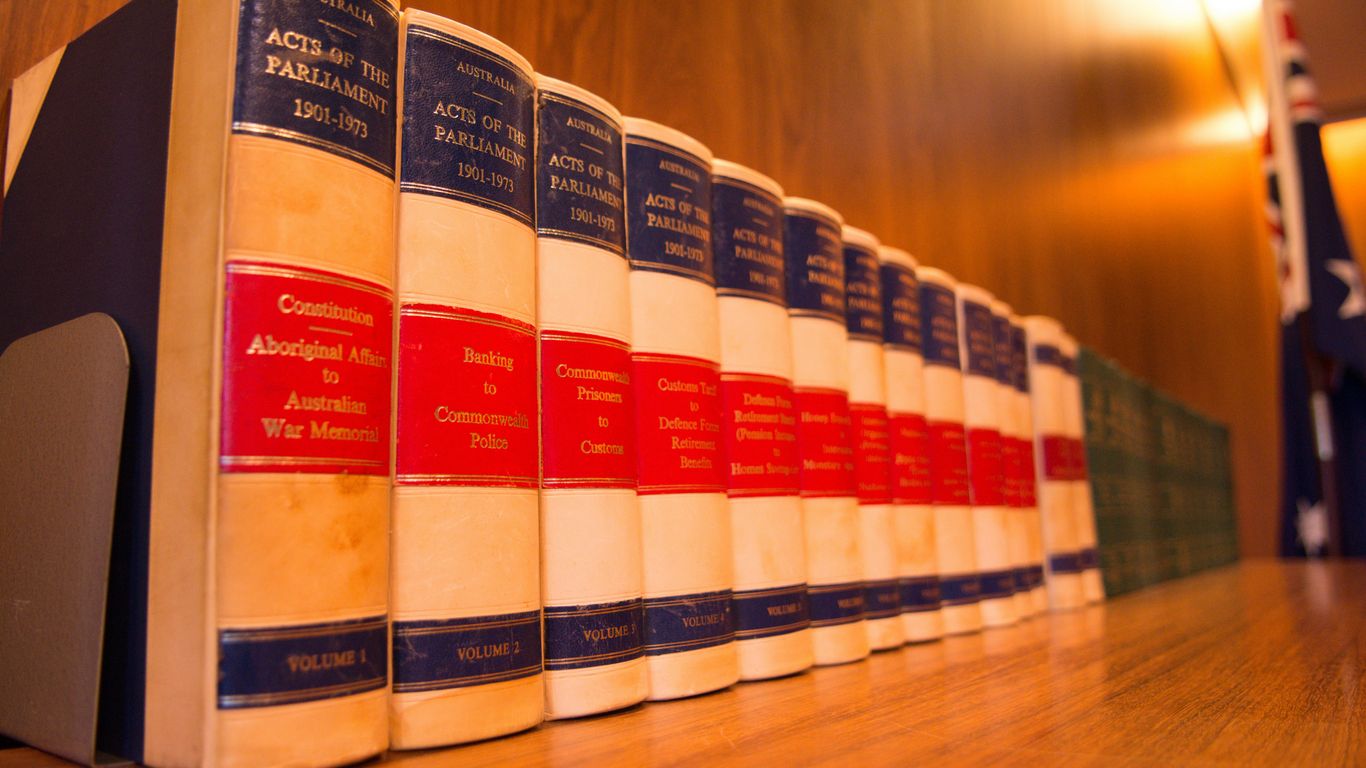
Expressly Granted Legislative Powers
Legislative bodies, like Congress in the United States, are granted specific powers directly by the Constitution. These are often called enumerated powers because they are listed out. Think of things like the power to tax, to declare war, or to regulate commerce among the states. These are the clear-cut authorities that lawmakers have. The Constitution is the ultimate source of these powers. Without an explicit grant, a legislature generally can’t act in that area. It’s like having a job description that lists exactly what you’re supposed to do. You wouldn’t just start doing tasks not on the list, right? This principle helps keep government power in check and provides a framework for understanding governmental structure.
Implied Powers Arising From Necessity
Now, this is where things get a bit more interesting. While the Constitution lists specific powers, it also implicitly grants others. These are the implied powers. They aren’t written down word-for-word, but they are necessary to carry out the enumerated powers. For example, the Constitution gives Congress the power to coin money. To do that effectively, Congress needs the implied power to create a mint, to regulate its production, and even to punish counterfeiting. It’s not explicitly stated that they can build a mint, but how else would they coin money? This idea is often linked to the "necessary and proper" clause. It allows Congress to pass laws that are needed to execute its other powers. It’s a way for the government to adapt and function in the real world, which is always changing.
Defining The Permissible Scope Of Action
So, how do we know where the line is? Defining the permissible scope of legislative action involves a lot of interpretation. Courts often look at whether a proposed law is truly necessary to achieve an enumerated power or if it’s just something the legislature wants to do. It’s a balancing act. On one hand, you need a government that can actually get things done and respond to new challenges. On the other hand, you don’t want it to overstep its bounds and infringe on people’s rights or the powers reserved for other branches or levels of government. This ongoing debate shapes how laws are made and applied. It’s a constant conversation about the limits of power and the needs of society. The courts play a big role here, reviewing laws to see if they fit within the constitutional framework. It’s a complex process that ensures the government operates within its defined limits.
Federalism And Division Of Powers

Federalism is a system where power is split between a central, national government and regional, state governments. It’s a core concept in how the United States is structured, and it really shapes how laws are made and applied. Think of it like a layered cake, where each layer has its own distinct flavor and function, but they all work together to make the whole dessert.
Distribution Of Power Between National And State Governments
The U.S. Constitution lays out this division of powers. Some powers are given specifically to the federal government, like the power to declare war or regulate interstate commerce. These are often called enumerated powers. Then, there are powers that are reserved for the states, such as setting up local governments or conducting elections. The Tenth Amendment is pretty clear on this: if the Constitution doesn’t give a power to the federal government, and it doesn’t prohibit the states from having it, then it belongs to the states or the people.
Concurrent And Reserved Powers
It’s not always a clean split, though. Some powers are concurrent, meaning both the federal and state governments can exercise them. Things like taxing, building roads, and establishing courts fall into this category. This overlap can sometimes lead to conflicts, but it also allows for cooperation. Reserved powers, on the other hand, are those exclusively left to the states. This is where states have a lot of room to experiment and tailor laws to their specific populations and needs. It’s a delicate balance, and figuring out where one government’s authority ends and another’s begins is a constant discussion in American law and politics. Understanding this division is key to grasping how our government operates on a day-to-day basis, and it’s a topic that has been debated since the founding of the country. You can find more about the foundations of law in our legal system.
The Supremacy Clause In Federal Relations
Now, what happens when federal and state laws clash? That’s where the Supremacy Clause comes in. Article VI of the Constitution states that the Constitution itself, and federal laws made in accordance with it, are the supreme law of the land. This means if a state law conflicts with a valid federal law, the federal law wins. It’s a critical principle that prevents states from undermining national policies. Without it, the federal system could easily fall apart, with each state going its own way on important national issues. It provides a necessary hierarchy to keep the country unified.
Executive And Administrative Powers
Enforcement Of Laws And Administration Of Government
The executive branch, headed by the President, is tasked with a significant responsibility: making sure the laws passed by Congress actually get put into practice. This isn’t just about signing bills into law; it involves a vast network of agencies and departments that handle the day-to-day operations of the government. Think of it as the engine room of the nation. These bodies implement policies, collect taxes, manage national parks, conduct foreign diplomacy, and so much more. The scope of this administrative power is immense, touching nearly every aspect of citizens’ lives. It’s a complex system, and its effectiveness relies heavily on clear directives and efficient management.
Delegation Of Regulatory Authority To Agencies
Congress often can’t get into the weeds of every single issue. So, it delegates specific regulatory authority to administrative agencies. These agencies, like the Environmental Protection Agency (EPA) or the Food and Drug Administration (FDA), are created to develop and enforce detailed rules within a particular area. This delegation is a practical necessity, allowing for specialized knowledge and quicker responses to complex issues. However, it also raises questions about accountability and the limits of this delegated power. The balance between effective regulation and preventing overreach is a constant challenge.
- Rulemaking: Agencies create regulations, which have the force of law, through formal processes. This usually involves public notice and comment periods.
- Adjudication: Agencies can also resolve disputes through administrative hearings, acting like specialized courts.
- Enforcement: Agencies have the power to investigate violations and impose penalties.
Judicial Review Of Agency Actions
When people or organizations feel that an agency has acted unfairly or exceeded its authority, they can turn to the courts. This is where judicial review comes in. Courts examine agency actions to ensure they comply with the law and the Constitution. They don’t typically second-guess the agency’s policy choices, but they do check if the agency followed proper procedures and if its decisions are based on reason and evidence. This oversight is a key safeguard against arbitrary government action. The standards of review can vary, but the goal is to maintain accountability and ensure that administrative power is exercised within its legal bounds. Understanding these standards is important for anyone interacting with government agencies.
The ability of the executive branch to administer the laws is not absolute. It operates within a framework of checks and balances, subject to legislative oversight and judicial review. This structure is designed to prevent the concentration of power and protect individual rights.
Limitations On Governmental Power
Separation of Powers and Checks and Balances
Government power, even when implied, isn’t absolute. The very structure of many constitutions is designed to prevent any one branch from becoming too dominant. This is where the idea of separation of powers comes in. Think of it like a three-legged stool: the legislative branch makes laws, the executive branch carries them out, and the judicial branch interprets them. Each leg is important, and if one gets too long or too short, the whole thing wobbles.
To keep things balanced, there are checks and balances. For example, the president can veto laws passed by Congress, but Congress can override that veto. The courts can review laws and actions to see if they’re constitutional. It’s a system built to make sure no single part of the government can run wild. This framework is a key part of how we maintain constitutional supremacy.
Due Process Protections For Individuals
Beyond the structural limits, there are also protections for individuals. Due process is a big one. It basically means the government has to follow fair procedures when it tries to take away someone’s life, liberty, or property. This isn’t just about following the rules, though. There’s also substantive due process, which looks at whether the government’s actions themselves are fair and reasonable, especially when they affect fundamental rights. It’s a safeguard against arbitrary government action.
Equal Protection Under The Law
Another major limitation is the principle of equal protection. This means that the law should apply to everyone equally. The government can’t just decide to treat certain groups of people differently without a really good reason. If a law does create different classifications, like based on race or gender, courts often look at it very closely to make sure it’s justified. This principle is vital for fairness and preventing discrimination.
Here’s a quick look at how scrutiny levels can affect legal challenges:
| Type of Scrutiny | When Applied | Burden of Proof (Typically) | Outcome Likelihood |
|---|---|---|---|
| Strict Scrutiny | Fundamental rights, suspect classifications | Government | Low for government |
| Intermediate Scrutiny | Quasi-suspect classifications | Government | Moderate |
| Rational Basis Review | Most other classifications | Challenger | High for government |
This tiered approach helps courts decide how closely to examine government actions that might infringe on rights.
The Evolution Of Constitutional Interpretation
Textualism and Originalism
When we talk about how courts figure out what the Constitution means, there are a couple of big ideas that pop up a lot: textualism and originalism. Textualism is pretty much what it sounds like – focusing on the plain, ordinary meaning of the words in the Constitution itself. It’s like saying, "What did this word or phrase actually say when it was written?" No fancy interpretations, just what’s on the page. Originalism takes that a step further, asking not just what the words meant, but what the people who wrote and ratified the Constitution intended for those words to mean at that time. It’s about trying to get back to the original understanding of the document.
- Original Public Meaning: This is a common flavor of originalism, focusing on how the average person at the time would have understood the text.
- Original Intent: This version looks more at the specific goals or aims of the framers themselves.
- Textual Focus: Both approaches prioritize the written word over later developments or personal beliefs.
It’s a way to try and keep the Constitution grounded, so it doesn’t just mean whatever someone wants it to mean today. The idea is that if we want to change things, we should go through the amendment process, not just have judges reinterpret the old text to fit new situations.
The debate between these approaches often comes down to how much weight we give to the historical context versus the need for the Constitution to remain relevant in a changing world. It’s a constant back-and-forth.
Living Constitution Theory
Then you have the other side of the coin, often called the "living constitution" theory. This perspective suggests that the Constitution isn’t a static document meant to be interpreted only by its original meaning. Instead, it’s seen as a dynamic, evolving framework that should adapt to the changing values, needs, and circumstances of society over time. Proponents of this view argue that the broad principles laid out in the Constitution are meant to be applied to new situations that the framers couldn’t have possibly imagined. It’s like saying the spirit of the Constitution is more important than the strict letter of its original text.
- Adaptability: This theory emphasizes the Constitution’s ability to remain relevant across generations.
- Societal Change: It acknowledges that societal norms and understanding evolve, and the Constitution should reflect that.
- Broad Principles: Focuses on applying fundamental rights and governmental structures to contemporary issues.
This approach allows for a more flexible interpretation, which can be useful when dealing with modern issues like technology, privacy in the digital age, or evolving social justice concerns. It’s a way to ensure the Constitution remains a living document that guides us today, not just a historical artifact.
Adaptability To Societal Change
Ultimately, the whole discussion about constitutional interpretation boils down to how we balance the need for stability with the reality of societal change. No one wants a government that’s stuck in the past, unable to address new problems or protect new rights. But at the same time, we need some level of predictability and respect for the foundational document that governs us. The courts are constantly trying to find that middle ground. They have to interpret laws and the Constitution in ways that make sense for today’s world, while still respecting the historical context and the rule of law. It’s a tough job, and different judges and legal scholars will always come down on different sides of these debates. The ongoing dialogue and the different approaches to interpretation are what keep our constitutional system alive and responsive.
Practical Applications Of Implied Powers
Necessity For Effective Governance
The idea of implied powers isn’t just some abstract legal concept; it’s actually pretty important for making sure the government can actually get things done. Think about it – the Constitution lists out a bunch of powers, but it can’t possibly cover every single situation that might come up. That’s where implied powers come in. They’re the powers that aren’t spelled out word-for-word but are needed to carry out the powers that are listed. For example, the power to establish a post office is listed, but how do you actually do that? You need to be able to buy land, build post offices, hire people, and set up routes. Those aren’t explicitly in the Constitution, but they’re clearly necessary to make the postal service work.
Addressing Unforeseen Circumstances
Governments have to deal with a world that’s always changing. New technologies pop up, societal needs shift, and unexpected crises happen. The Constitution was written a long time ago, and it’s not going to have specific instructions for, say, regulating the internet or responding to a global pandemic. Implied powers give the government the flexibility to adapt. It allows lawmakers and officials to create solutions for problems that the framers of the Constitution couldn’t have even imagined. Without this adaptability, government could become rigid and unable to respond effectively to modern challenges.
Balancing Authority And Liberty
This is where things get tricky. While implied powers are necessary for effective government, they also need to be kept in check. The whole point of a constitution is to limit government power and protect individual freedoms. So, when we talk about implied powers, there’s always a debate about where to draw the line. How much is really necessary? Are these new actions truly implied by the text, or are they stretching the meaning too far? It’s a constant balancing act between giving the government enough authority to serve the public good and making sure it doesn’t overstep its bounds and infringe on people’s rights. The courts often play a big role here, deciding if a government action based on implied powers is constitutional or not.
Here’s a look at how this balance plays out:
- Legislative Action: Congress uses implied powers to pass laws that support its enumerated powers, like creating federal agencies or regulating interstate commerce in ways not explicitly detailed.
- Executive Action: The President might use implied powers to conduct foreign policy or manage national emergencies, acting in ways that are necessary to execute their constitutional duties.
- Judicial Review: Courts examine whether actions taken under implied powers are consistent with the Constitution’s text and overall structure, acting as a check on potential overreach.
The doctrine of implied powers is a vital tool for governance, allowing for adaptation and effectiveness. However, its application requires careful consideration to maintain the delicate equilibrium between governmental authority and the protection of individual liberties, preventing any single branch from accumulating excessive power.
Legal Frameworks And Governance
Law As A System Of Rules And Principles
Law isn’t just a bunch of rules; it’s a whole system. Think of it like the operating system for society. It sets up how we’re supposed to interact, what’s expected of us, and what happens when things go wrong. This system is built on principles that guide how the rules are made and applied. These aren’t just abstract ideas; they have real consequences for how government operates and how individuals are treated. It’s all about creating a predictable environment where people can live and work without constant chaos.
The Rule Of Law And Legal Authority
The idea of the rule of law is pretty central here. It basically means that everyone, including the government itself, has to follow the law. No one’s above it. This is what gives legal authority its legitimacy. When laws are applied fairly and consistently, people are more likely to respect them. Legal authority comes from different places – constitutions, laws passed by legislatures, and decisions made by courts. Without this foundation, laws would just be suggestions, and that’s not really a functional society.
Law’s Role In Structuring Society
So, how does law actually structure things? Well, it defines a lot of our relationships. It tells businesses how they can operate, what rights employees have, and how property is owned and transferred. It also sets up the government itself, dividing powers and creating checks and balances. This structure helps prevent any one person or group from becoming too powerful. It’s a constant balancing act between individual freedoms and the need for public order.
Here’s a quick look at some key areas law structures:
- Defining Rights and Responsibilities: Law clarifies what individuals and organizations are entitled to and what they must do.
- Establishing Procedures: It sets out the steps for resolving disputes, whether through courts or other means.
- Allocating Resources: Laws govern how property is owned, used, and transferred.
- Regulating Conduct: Criminal and civil laws set boundaries for behavior and provide consequences for violations.
The legal framework provides the essential scaffolding upon which a stable society is built. It’s the agreed-upon set of guidelines that allows for cooperation, conflict resolution, and the protection of individual liberties within a collective structure.
Wrapping Up the Idea of Implied Powers
So, when we talk about implied powers, it’s really about how the government can do things that aren’t spelled out word-for-word in the Constitution. It’s like having a basic set of instructions, but you also need to figure out how to actually get the job done using common sense and what makes sense at the time. Courts often look at what’s needed to make the listed powers work. It’s a balancing act, really, between sticking to the text and making sure the government can actually function in the real world. This idea has shaped a lot of what the government does, and it’s something to keep in mind when you see new actions or laws being made.
Frequently Asked Questions
What are implied powers?
Implied powers are like extra tools a government has that aren’t specifically listed in the rulebook (the Constitution). They are powers the government needs to carry out the jobs it *is* told to do. Think of it as needing to buy supplies to do a chore you were assigned.
Where do implied powers come from?
These powers come from the idea that the government must be able to function effectively. The Constitution gives the government certain main jobs, and implied powers are the necessary actions to get those jobs done, even if they aren’t written down word-for-word.
Are implied powers different from listed powers?
Yes, they are! Listed powers, also called enumerated powers, are the ones clearly written down in the Constitution. Implied powers are not written down but are understood to be needed to make the listed powers work.
Who decides what implied powers are?
Courts, especially the Supreme Court, often decide what implied powers are. They look at the Constitution and decide if a certain action is necessary for the government to do its job. This is part of what’s called judicial review.
Why are implied powers important for the government?
They are super important because the world changes! The Constitution was written a long time ago. Implied powers allow the government to deal with new problems and situations that the people who wrote the Constitution couldn’t have imagined, like creating the internet or dealing with air travel.
Can implied powers be used for anything?
No, there are limits. Implied powers must be reasonably connected to the powers that *are* listed in the Constitution. They can’t be used to do things that the Constitution specifically forbids.
How do implied powers affect everyday people?
Many laws and government programs you see every day exist because of implied powers. For example, building roads or setting up a national bank weren’t explicitly listed, but they were seen as necessary to manage the country.
Is the idea of implied powers controversial?
Sometimes it can be. People disagree on how much power the government should have beyond what’s clearly written. Some believe the government should stick strictly to listed powers, while others think implied powers are essential for a strong and adaptable government.