
The appeals process is how a higher court reviews a decision made by a lower court. It’s not a do-over or a chance to present new evidence that wasn’t available before. Instead, it’s about checking if the lower court made any legal mistakes. Think of it as a quality control step for the justice system. This process can be complex, with specific rules and deadlines that must be followed carefully. Understanding these steps is key if you’re involved in an appeal, whether you’re the one appealing or the one responding.
Key Takeaways
- The appeals process focuses on identifying legal errors made by the lower court, not re-trying the case.
- Strict deadlines and procedural rules govern every stage of an appeal.
- Appellate courts review the existing record from the trial court; new evidence is generally not allowed.
- Possible outcomes include upholding the original decision, reversing it, or sending the case back for further action.
- Both civil and criminal cases have specific procedures for appeals, with distinct considerations for each.
Understanding The Appeals Process
The appeals process is a way for a party who lost a case in a lower court to ask a higher court to review that decision. It’s not a do-over of the original trial; instead, it focuses on whether legal mistakes were made that affected the outcome. Think of it as a quality check on the justice system. The core idea is to correct errors of law, not to re-evaluate facts that were already decided.
Initiating An Appeal
So, you’ve lost a case and you think the judge or jury got it wrong, legally speaking. The first step is usually filing a ‘Notice of Appeal’ with the court. This is a formal document that tells everyone you’re planning to appeal. It’s super important to get this filed on time, because if you miss the deadline, you’ll likely lose your chance to appeal altogether. After that, you’ll need to get a record of what happened in the lower court, which includes transcripts and evidence. This can be a bit of a headache, honestly, and it takes time.
Grounds For Appeal
You can’t just appeal because you didn’t like the result. There have to be specific legal reasons. Common grounds include:
- Errors of Law: The judge applied the wrong legal rule or misinterpreted a statute.
- Procedural Mistakes: The trial wasn’t conducted fairly, maybe evidence was wrongly admitted or excluded, or jury instructions were incorrect.
- Insufficient Evidence (in some cases): While appeals courts usually don’t re-weigh evidence, they might step in if there was absolutely no legally sufficient evidence to support the decision.
It’s not about saying ‘I don’t agree with the jury’; it’s about saying ‘the judge made a legal mistake that led to this unfair outcome.’
Timelines For Filing Appeals
This is where things get really strict. Every court system has specific deadlines, and they are usually pretty short. For example, in many civil cases, you might only have 30 days from the date the final judgment was entered to file your Notice of Appeal. In criminal cases, the timeline can be even tighter, sometimes just 10 days. Missing these deadlines is usually fatal to an appeal. It’s why getting legal advice right after a decision is so important. You don’t want to be scrambling at the last minute.
The appeals process is designed to ensure that legal rulings are consistent and fair, providing a mechanism to correct significant legal errors made during a trial. It’s a critical part of the judicial system that upholds the integrity of legal judgments.
Appellate Court Structure And Function
Role Of Appellate Courts
Appellate courts are a vital part of our legal system, but they don’t work like the trial courts you might see on TV. Their main job isn’t to figure out who did what or to hear new evidence. Instead, they focus on reviewing decisions made by lower courts. Think of them as a quality control check for the legal process. They look for mistakes in how the law was applied or if the procedures followed were correct. The goal is to ensure legal consistency and fairness across different cases. They don’t retry the facts; they examine the legal issues that arose during the original trial.
Jurisdiction Of Appellate Courts
Just like trial courts, appellate courts have specific boundaries on the types of cases they can hear. This is called jurisdiction. Generally, appellate courts have jurisdiction over appeals from specific lower courts within their geographic area or over particular types of cases. For instance, a state appellate court might only hear appeals from state trial courts, while a federal appellate court would review decisions from federal district courts. It’s important to file an appeal in the correct appellate court, or it could be dismissed. This ensures that cases are reviewed by the appropriate judicial body with the proper authority.
Standards Of Review In Appeals
When an appellate court looks at a lower court’s decision, it doesn’t just start over. It uses specific standards of review to decide how much deference to give the trial court’s findings. These standards vary depending on the type of issue being reviewed:
- De Novo Review: This is the most rigorous standard. The appellate court looks at the issue as if it were hearing it for the first time, with no deference to the lower court. This is typically used for questions of law.
- Abuse of Discretion Review: Here, the appellate court gives more deference to the trial judge’s decision. They will only overturn the decision if it was clearly unreasonable or arbitrary. This is often used for procedural rulings or evidentiary decisions.
- Clearly Erroneous Review: This standard is used for factual findings. The appellate court will only overturn a factual finding if it’s convinced that the trial court made a significant mistake.
Understanding these standards is key because they determine how likely an appeal is to succeed. It’s not enough to simply disagree with the outcome; you usually have to show a specific legal error occurred.
Key Stages In The Appeals Process
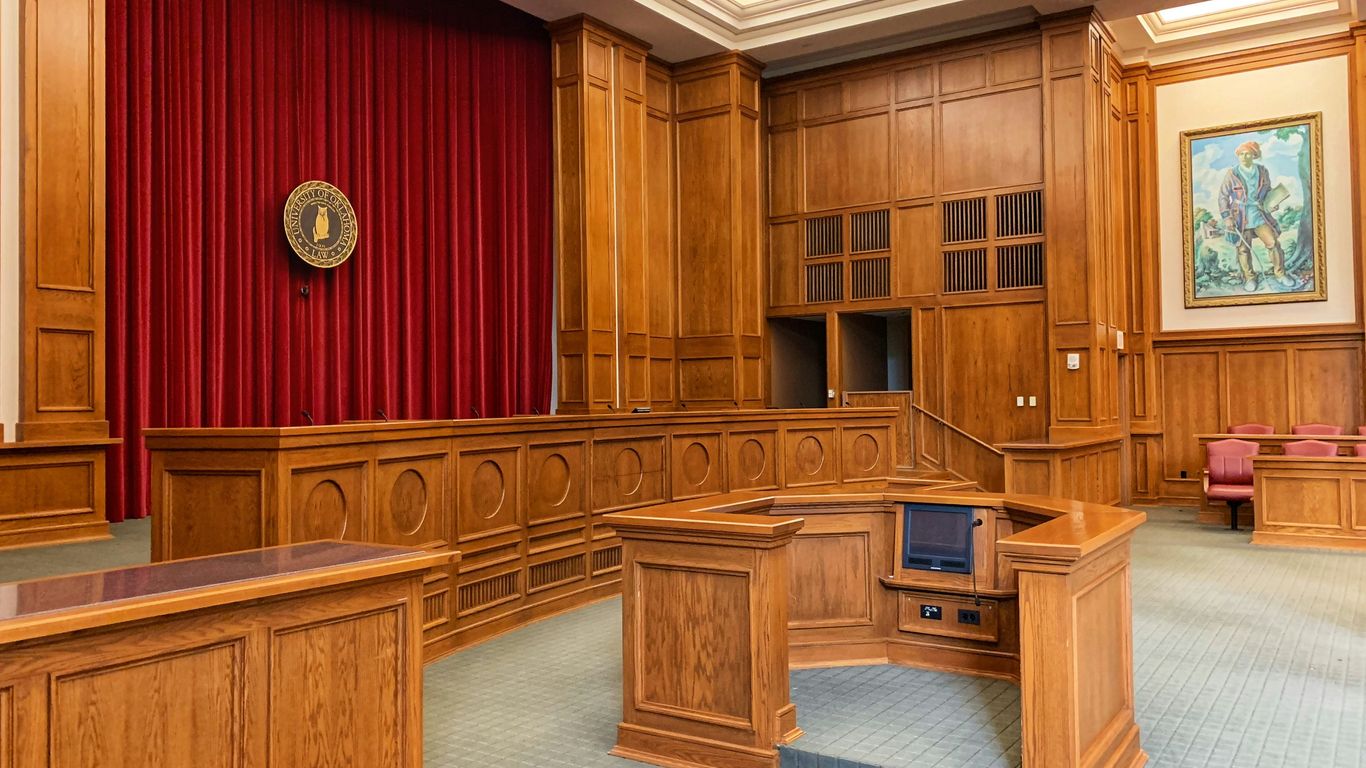
So, you’ve been through the main part of a legal case, and now you’re thinking about appealing. It’s not just a simple ‘redo’ button; there are specific steps involved. Let’s break down what usually happens.
Filing the Notice of Appeal
This is often the very first official move you have to make. Think of it as telling the court and the other side, ‘Hey, I’m planning to appeal this decision.’ It’s a pretty straightforward document, but getting it filed on time is super important. Missing the deadline here can mean you lose your chance to appeal altogether. It’s like showing up late to catch a train – the train might still be there, but you’re not getting on.
Briefing and Argument
After the initial notice, things get more detailed. This is where the real legal heavy lifting happens. Both sides get to write down their arguments, citing laws and past cases to support their position. These written documents are called ‘briefs.’ They’re like the detailed blueprints of your appeal. You’ll have a set amount of time to submit yours, and then the other side gets to respond.
Oral Arguments Before the Court
Sometimes, after the written briefs are submitted, the appellate judges might want to hear from the lawyers directly. This is called oral argument. It’s not like a debate where you try to persuade someone who’s undecided. Instead, it’s more of a Q&A session. The judges have read the briefs and the record, and they’ll ask lawyers tough questions about the legal points. The goal here is to clarify specific issues and help the judges make their final decision. It’s a chance for the lawyers to directly address the court’s concerns, and it can sometimes be a deciding factor in how a case is viewed.
The entire appeals process is designed to review decisions made in lower courts for legal errors, not to re-try the facts of the case. It’s about ensuring the law was applied correctly.
Here’s a general idea of the timeline, though it can vary a lot:
- Notice of Appeal Filing: Usually within 30 days of the final judgment.
- Brief Submission: Deadlines are set by the court rules, often several weeks or months apart for each side.
- Oral Argument: This can happen months after the briefs are filed, or sometimes it’s skipped entirely if the case is straightforward.
- Decision: The court will issue its written decision after the arguments or briefing is complete.
Evidence And Legal Arguments On Appeal
When you’re looking at an appeal, the focus shifts quite a bit from the original trial. It’s not about re-hashing every single detail or presenting a whole new case. Instead, it’s about carefully examining what happened in the lower court and arguing whether legal errors were made. This means the evidence you can bring up is usually limited to what was already presented and considered in the trial court. The appellate court isn’t typically a place to introduce brand new facts or witnesses.
Reviewing Trial Court Records
Appellate courts don’t conduct new trials. Their job is to review the record from the trial court to see if any mistakes were made in applying the law. This record is a complete transcript of everything that happened, including testimony, evidence presented, and rulings made by the judge. Lawyers spend a lot of time poring over these records, looking for specific instances where the law might have been misapplied. It’s a meticulous process, like being a detective trying to find a needle in a haystack, but that needle could be the key to winning the appeal.
Presenting New Legal Arguments
While you generally can’t introduce new evidence, you can certainly present new legal arguments. This is where the real meat of an appeal often lies. You might argue that the judge misinterpreted a statute, that a previous court decision (precedent) was wrongly applied, or that a certain legal procedure was flawed. These arguments have to be grounded in the existing record, but they can offer a fresh perspective on how the law should have been applied to the facts of the case. It’s about showing the appellate court that, even if the facts are as they are, the legal conclusion reached by the trial court was incorrect.
Limitations On New Evidence
It’s really important to understand that appeals are not do-overs. The appellate court is reviewing the trial court’s decision, not conducting a new trial. Therefore, introducing new evidence is usually not allowed. There are very narrow exceptions, but generally, you’re stuck with the evidence that was properly admitted (or improperly excluded) in the original proceedings. This is why it’s so important for parties to present all their relevant evidence and arguments effectively during the initial trial. If you didn’t get that piece of evidence in front of the jury the first time, it’s probably too late now. The rules about evidence admissibility are strict for a reason – to ensure fairness and finality.
Here’s a breakdown of what typically happens with evidence on appeal:
- Focus on the existing record: The appellate court reviews transcripts, exhibits, and rulings from the trial.
- No new testimony: You generally cannot call new witnesses or present new physical evidence.
- Arguments about evidence: You can argue that evidence was wrongly admitted or excluded by the trial court, but you can’t introduce new evidence to support that argument.
The appellate process is fundamentally about reviewing legal decisions, not re-trying factual disputes. This distinction is critical for understanding the scope and limitations of arguments that can be made on appeal. Parties must build their case on the foundation laid in the trial court, highlighting errors in legal reasoning or procedure rather than attempting to introduce entirely new factual scenarios.
Potential Outcomes Of An Appeal
So, you’ve gone through the whole appeals process, and now you’re waiting to hear what the court decided. It’s a pretty nerve-wracking time, I bet. What happens next really depends on what the appellate court thinks about the arguments presented. They’re not re-trying the case, mind you; they’re looking for legal mistakes made by the lower court.
There are a few main ways this can go:
- Affirming the Lower Court Decision: This is probably the most common outcome. It basically means the appellate court looked at everything and decided the original decision was correct. No changes, no do-overs. The judgment stands.
- Reversing the Lower Court Decision: This is a big one. It means the appellate court found a significant legal error that affected the outcome of the case. They’re essentially saying the lower court got it wrong, and the original decision is overturned. This doesn’t automatically mean a new outcome, though; it often leads to the next step.
- Remanding the Case for Further Proceedings: Sometimes, the appellate court doesn’t have enough information or finds an error that needs to be fixed, but they don’t want to make the final call themselves. So, they send the case back to the lower court with specific instructions. This could mean a new trial, a new hearing on a specific issue, or a modification of the original judgment based on the appellate court’s findings. It’s like sending it back to the kitchen to be cooked a bit longer.
It’s also possible to see a mix of these. For instance, an appellate court might reverse a part of the decision while affirming another, or they might remand the case for a specific purpose after reversing a key finding. The goal is always to correct legal errors and ensure justice is served according to the law. Understanding these potential outcomes can help manage expectations during what is often a lengthy and complex legal journey. It’s important to remember that appellate courts focus on legal errors, not just disagreements with the outcome. This is why having solid legal arguments based on established precedent is so important when you’re looking at appeals in civil cases.
The appellate court’s role is to review the record for legal errors, not to re-evaluate the facts as if it were a trial court. This means the scope of review is generally limited to the proceedings and evidence presented below.
Civil Appeals Process Overview
When a civil case concludes in a lower court, one of the parties might feel the decision wasn’t quite right. That’s where the civil appeals process comes in. It’s not a do-over of the original trial, but rather a review to see if any significant legal mistakes were made that affected the outcome. Think of it as a quality check on the legal proceedings.
Appealing Civil Judgments
Appealing a civil judgment means asking a higher court to look over the decision made by the trial court. This usually happens when a party believes the judge made an error in applying the law, or perhaps in how the trial was conducted. It’s important to remember that appeals courts generally don’t re-hear witness testimony or consider new evidence that wasn’t presented at the trial. They focus on the legal aspects of the case.
- Focus on Legal Errors: Appeals are about mistakes in law, not disagreements with the jury’s factual findings unless those findings are completely unsupported by evidence.
- No New Trials: You can’t introduce new evidence or witnesses on appeal.
- Review of the Record: The appellate court reviews the official record from the trial court, including transcripts, evidence presented, and rulings made.
Specifics of Civil Appellate Procedure
Each jurisdiction has its own set of rules for how civil appeals work. These rules cover everything from how quickly you need to file your appeal to how the arguments should be presented. Missing a deadline or failing to follow the correct procedure can mean losing your right to appeal entirely. It’s a pretty strict process, so paying close attention to the details is key.
Here are some common steps:
- Filing the Notice of Appeal: This is the first official step, letting the court and the other party know you intend to appeal.
- Designating the Record: You’ll need to specify which parts of the trial court record will be sent to the appellate court.
- Briefing: Both sides submit written arguments, called briefs, explaining their legal position.
- Oral Argument (sometimes): In some cases, lawyers may present their arguments in person to the judges.
Remedies in Civil Appeals
So, what can happen if you win an appeal? The appellate court has a few options. They might agree with you and change the lower court’s decision. Sometimes, they might send the case back to the lower court with instructions on how to fix the error. It’s not always a clear win or loss, but the goal is to correct any legal injustices.
- Affirmance: The appellate court agrees with the lower court’s decision.
- Reversal: The appellate court disagrees and overturns the lower court’s decision.
- Remand: The case is sent back to the lower court for further action, often with specific instructions.
The appeals process is designed to ensure fairness and consistency in the application of law. It provides a mechanism for correcting errors made during a trial, but it operates under strict procedural rules and a limited scope of review.
Criminal Appeals Process Details
Appealing Criminal Convictions
When someone is convicted of a crime, they have the right to appeal that decision. This isn’t a do-over of the trial, though. Instead, an appellate court looks at the trial record to see if any significant legal mistakes were made. These mistakes could involve things like improper jury instructions, incorrect rulings on evidence, or even issues with how the defendant’s rights were protected. The focus is strictly on legal errors, not on re-evaluating the facts or witness credibility. It’s a complex process, and the defendant’s attorney will carefully review everything that happened to find grounds for the appeal.
Post-Conviction Relief Options
Beyond a direct appeal, there are other ways to seek relief after a conviction. These are often called post-conviction remedies. One common route is a petition for a writ of habeas corpus. This is a way to challenge the legality of your detention, arguing that your sentence or conviction is unlawful for reasons not typically covered in a direct appeal. Think of it as a safety net for serious constitutional violations that might have been missed or weren’t apparent during the initial trial and appeal. Other options can include motions to withdraw a guilty plea or requests to modify a sentence under specific circumstances. These avenues are usually pursued after direct appeals have been exhausted.
Sentencing Appeals
Appealing a sentence is a bit different from appealing a conviction itself. While the conviction establishes guilt, the sentence is the punishment handed down. A sentencing appeal usually argues that the sentence imposed was illegal, excessive, or improperly calculated. This could involve claims that the judge didn’t follow sentencing guidelines, considered improper factors, or made errors in calculating things like credit for time served. Sometimes, appeals can focus on specific aspects of the sentence, like restitution amounts or conditions of probation. It’s all about making sure the punishment fits the crime and was determined according to the law.
Navigating Administrative Appeals
Administrative appeals involve challenging decisions made by government agencies. These processes are distinct from court proceedings and have their own set of rules and procedures. Understanding how to appeal an agency decision is important for individuals and businesses affected by regulatory actions.
Appeals From Agency Decisions
When an agency makes a decision, whether it’s granting a permit, denying a benefit, or imposing a penalty, there’s often a path to challenge that decision. This usually starts with an internal agency review process. The first step is typically to file a formal request for reconsideration or an appeal within the agency itself. The specific requirements and deadlines for filing these appeals vary significantly depending on the agency and the type of decision being challenged. It’s vital to consult the agency’s own regulations or guidelines to understand the exact procedure.
Regulatory Appeals Procedures
Regulatory appeals often involve a structured process that can include several stages. Initially, you might have an informal conference or mediation with the agency to try and resolve the issue. If that doesn’t work, a formal hearing before an administrative law judge (ALJ) may be scheduled. This hearing is similar to a trial, where evidence is presented and witnesses may testify. The ALJ then issues a decision, which can be appealed further within the agency or, in some cases, to a court. It’s important to be aware of the specific rules governing evidence and procedure in these hearings, as they can differ from traditional court settings. For instance, certain findings in administrative proceedings might have preclusive effect in later court cases, meaning issues already decided cannot be relitigated [d2bc].
Judicial Review Of Administrative Rulings
If you exhaust all available administrative remedies and are still unsatisfied with the outcome, the next step is often seeking judicial review. This means asking a court to review the agency’s final decision. Courts typically do not re-hear the case from scratch. Instead, they review the administrative record to determine if the agency acted lawfully, reasonably, and in accordance with its governing statutes and regulations. Common grounds for judicial review include claims that the agency:
- Exceeded its authority.
- Made a decision not supported by substantial evidence.
- Violated procedural due process.
- Interpreted the law incorrectly.
This stage requires a clear understanding of administrative law and the specific issues in your case. The court’s role is generally limited to correcting legal errors, not substituting its own judgment for that of the agency on factual matters.
Common Issues In The Appeals Process
Appeals, while designed to correct errors, often run into their own set of problems. It’s not always a straightforward path from a lower court’s decision to a higher court’s review. Understanding these common hurdles can help litigants prepare and manage expectations.
Procedural Errors
Procedural errors are mistakes made during the trial or initial legal proceedings that don’t necessarily relate to the core facts of the case but affect its fairness or outcome. These can be subtle, like a misfiled document or a missed deadline, or more significant, such as improper jury instructions or incorrect evidentiary rulings. The appellate court’s job is to determine if these errors were serious enough to warrant a different outcome.
- Improper Service of Process: If a party wasn’t properly notified of the lawsuit, it can be grounds for appeal.
- Incorrect Evidentiary Rulings: Excluding crucial evidence or admitting inadmissible evidence can prejudice a party.
- Jury Instruction Errors: Misleading or incorrect instructions given to the jury can lead to an unfair verdict.
- Failure to Adhere to Court Rules: Not following specific court rules for filing, discovery, or other procedures can cause issues.
Procedural fairness is a cornerstone of the legal system. When procedures are not followed correctly, it can undermine the integrity of the entire process, even if the underlying decision might have been correct on the merits.
Legal Interpretation Disputes
These issues arise when parties disagree on what a particular law, statute, or legal precedent actually means or how it should apply to the facts of their case. Appellate courts spend a lot of time analyzing legal texts and prior decisions to figure this out. It’s about understanding the intent behind the law and its proper application.
- Statutory Interpretation: Disagreements over the meaning of a law passed by the legislature.
- Contract Interpretation: Disputes about the terms and obligations within a contract.
- Application of Precedent: Whether a previous court ruling (precedent) applies to the current case and how.
Evidentiary Rulings on Appeal
This is a big one. Appellate courts don’t typically re-hear witness testimony or look at new physical evidence. Instead, they review the trial court’s decisions about what evidence was allowed or disallowed. The question is usually whether the trial judge abused their discretion or made a legal error when deciding on evidence. The standard of review for evidentiary rulings is often deferential to the trial court.
- Admissibility of Evidence: Was the evidence relevant and properly authenticated?
- Exclusion of Evidence: Was important evidence wrongly kept from the jury?
- Expert Witness Testimony: Were the qualifications and testimony of expert witnesses properly evaluated?
These common issues highlight why having experienced legal counsel is so important, not just for the trial itself, but also for understanding the potential for appeal and how to best present arguments to a higher court.
The Role Of Legal Precedent In Appeals
When an appeal is filed, the appellate court doesn’t just look at the case in a vacuum. It’s heavily influenced by what other courts have decided before. This is where legal precedent comes into play. Think of it as a guide, a set of established rules and principles that courts are expected to follow when deciding similar cases. This concept is a cornerstone of our legal system, especially in common law jurisdictions.
Binding Precedent on Appellate Courts
Appellate courts are generally bound by decisions made by higher courts within the same jurisdiction. This means if the Supreme Court of your state has ruled on a specific legal issue, all lower courts in that state must follow that ruling. Similarly, federal appellate courts are bound by decisions of the U.S. Supreme Court. This hierarchy ensures consistency and predictability in how the law is applied.
- Hierarchy Matters: Decisions from higher courts are binding on lower courts.
- Jurisdictional Limits: Precedent is typically binding only within a specific court system (e.g., state vs. federal).
- Stare Decisis: This Latin phrase, meaning "to stand by things decided," is the principle that guides courts to follow precedent.
Distinguishing Prior Rulings
While courts are bound by precedent, they also have the ability to distinguish a current case from a prior one. This happens when the facts of the current case are significantly different from the facts of the case that set the precedent. Lawyers arguing an appeal will often try to show how their case is unique, thus freeing the court from being strictly bound by a prior decision. Conversely, the opposing side will argue that the precedent does apply.
Lawyers spend a lot of time researching past cases to find those that support their arguments or to show why existing rulings shouldn’t apply to their client’s situation. It’s a bit like detective work, piecing together legal history to build a strong case.
Developing New Legal Interpretations
Sometimes, existing precedent doesn’t quite fit a new or evolving legal issue. In these situations, appellate courts, particularly the highest courts, have the opportunity to refine or even overturn previous decisions. This is how the law evolves over time. When a court creates a new interpretation or sets a new precedent, it then becomes binding on lower courts for future cases with similar facts. This process allows the law to adapt to changing societal needs and understanding.
- Overruling Precedent: Higher courts can overturn their own prior decisions, though this is done cautiously.
- Creating New Law: Appellate courts can establish new legal principles through their rulings.
- Legislative Influence: Sometimes, legislatures will pass new laws to clarify or change areas of law where precedent has become unclear or outdated.
Wrapping Up the Appeals Process
So, that’s a look at how appeals work. It’s not a simple thing, and there are a lot of rules and steps involved. Basically, if you think a court made a mistake in how it handled your case, you might be able to ask a higher court to look at it again. But you have to follow the right procedures and meet certain deadlines. It’s a complex system, and getting it wrong can mean your appeal won’t even be heard. It really shows how important it is to understand the legal process, whether you’re involved in a case or just curious about how things work.
Frequently Asked Questions
What is an appeal?
An appeal is like asking a higher court to look again at a decision made by a lower court. You’re saying the lower court made a mistake in how they applied the law or handled the case, and you want the new court to fix it.
Who can file an appeal?
Usually, the person or side that lost in the lower court can file an appeal. They are called the appellant. The other side, who won below, is called the appellee.
What are the deadlines for filing an appeal?
There are strict time limits, called statutes of limitation, for filing an appeal. These deadlines can be short, so it’s important to act quickly after the lower court makes its decision.
What happens during an appeal?
The appellate court doesn’t usually hear new evidence or have witnesses. Instead, they review the records from the first trial and read written arguments (briefs) from both sides. Sometimes, they might also listen to lawyers argue the case in person.
Can I present new evidence on appeal?
Generally, no. Appeals courts focus on whether the lower court made a mistake based on the information presented during the original trial. Bringing up new evidence is usually not allowed unless there are very special circumstances.
What are the possible outcomes of an appeal?
The appellate court can agree with the lower court’s decision and uphold it. Or, they might disagree and reverse the decision. Sometimes, they might send the case back to the lower court to be re-tried or reconsidered.
What’s the difference between a civil and criminal appeal?
In a civil appeal, someone is challenging a decision in a case about disputes between people or organizations, like contract issues or injuries. In a criminal appeal, someone is challenging a conviction or sentence after being found guilty of a crime.
Why is the ‘rule of law’ important in appeals?
The rule of law means that everyone, including the courts, must follow the established laws. In appeals, this ensures that decisions are based on legal rules and not just someone’s personal opinion, making the process fair and predictable.