Navigating the legal landscape can feel like a maze, and sometimes, the traditional courtroom path just doesn’t seem like the best fit. That’s where alternative dispute resolution, or ADR, comes into play. Think of it as a different way to sort things out, often outside of a formal trial. One of the most common and talked-about methods in this space is mediation. It’s a process where a neutral third party helps people talk through their issues and find their own solutions. This approach to mediation legal matters aims to be more flexible and less confrontational than going to court.
Key Takeaways
- Alternative Dispute Resolution (ADR) offers methods like mediation and arbitration as alternatives to traditional litigation, which can be voluntary or required.
- The legal system provides a framework for resolving conflicts, maintaining order, and defining rights and duties, evolving with societal changes.
- Law originates from various sources, including constitutions and statutes, and is classified into public and private, as well as substantive and procedural categories.
- Court systems are structured hierarchically, from trial courts to appellate courts, with federal and state systems operating concurrently.
- Legal procedures, evidence rules, and burdens of proof are critical components that ensure fairness and order in the resolution of disputes, including those involving mediation legal processes.
Understanding Alternative Dispute Resolution
Alternative Dispute Resolution, often shortened to ADR, is a broad category of methods used to resolve disagreements outside of the traditional court system. Think of it as a toolbox filled with different ways to sort things out when people or groups can’t agree. These processes aim to be more flexible and often quicker than going through a full lawsuit.
Mediation as an ADR Method
Mediation is a process where a neutral third party, the mediator, helps the people involved talk through their issues. The mediator doesn’t make decisions for them. Instead, they guide the conversation, help identify the core problems, and encourage the parties to find their own solutions. It’s all about communication and finding common ground. The mediator’s role is to facilitate, not to judge or dictate.
Arbitration and Negotiated Settlements
Arbitration is another ADR method, but it’s different from mediation. In arbitration, a neutral arbitrator (or a panel of arbitrators) actually hears both sides of the dispute and then makes a decision. This decision is often binding, meaning the parties have to follow it, much like a court order. Negotiated settlements, on the other hand, are simply agreements reached directly between the parties, sometimes with the help of lawyers or a mediator, without a formal decision-maker.
Voluntary vs. Required ADR Processes
ADR processes can be either voluntary or required. Sometimes, people choose to use mediation or arbitration because they believe it will be more efficient or less confrontational than court. Other times, a contract might stipulate that disputes must first go through a specific ADR process before a lawsuit can be filed. Even when required, the goal is usually to find a resolution without the full burden of litigation. It’s important to understand which type of process you’re involved in, as it affects the expectations and outcomes.
The Role of Law in Society
Law isn’t just a bunch of rules in a dusty book; it’s the backbone of how we all get along, or at least try to. Think of it as the operating system for our society. It sets the stage for how we interact, what we can expect from each other, and what happens when things go wrong. Without it, things would quickly devolve into chaos, with no clear way to sort out disagreements or protect anyone’s interests.
Law as a Governance Framework
At its core, law provides a structured way to manage a society. It’s how governments organize themselves, how they make decisions, and how they interact with citizens. This framework helps to keep things orderly and predictable. It defines who has what rights and responsibilities, and it sets up processes for resolving conflicts when they inevitably arise. This system evolves over time, reflecting changes in our values and priorities. It’s a constant work in progress, adapting to new challenges and societal shifts.
Resolving Conflict and Maintaining Order
One of the most visible functions of law is its role in settling disputes. Whether it’s a disagreement between neighbors over a fence line or a complex business deal gone sour, the legal system offers mechanisms to find a resolution. This could involve going to court, but it also includes processes like mediation or arbitration, which are often quicker and less confrontational. By providing these avenues, the law helps to prevent conflicts from escalating and maintains a general sense of order. It’s about having a predictable way to address problems so that society can continue to function smoothly. The principle of the rule of law is central here, ensuring that these processes are applied fairly and consistently to everyone.
Evolving Legal Systems and Societal Values
Laws aren’t static; they change as society changes. What was acceptable behavior decades ago might be illegal today, and vice versa. This evolution happens through various means, like new legislation passed by lawmakers or new interpretations of existing laws by judges. These changes often reflect shifts in our collective understanding of fairness, justice, and what’s best for the community. For instance, laws around environmental protection or digital privacy have developed significantly as our understanding of these issues has grown. It’s a dynamic process where the legal system tries to keep pace with the evolving needs and values of the people it serves.
Here’s a look at how law functions:
- Establishes Standards: Sets clear expectations for behavior.
- Resolves Disputes: Provides mechanisms for settling disagreements.
- Protects Rights: Safeguards individual entitlements and freedoms.
- Maintains Order: Prevents chaos and ensures societal stability.
The legal system, in its various forms, acts as a critical mechanism for societal self-regulation. It provides the necessary structure for collective living, balancing individual freedoms with the needs of the community. Its effectiveness relies on consistent application and adaptation to changing circumstances.
Sources and Classifications of Law
Laws don’t just appear out of thin air, you know? They come from different places and are sorted into categories to help us understand how they work. It’s like organizing a big toolbox; you need to know where everything is.
Constitutional and Statutory Origins
At the top of the heap, you’ve got your constitutional law. This is the big one, setting up the basic rules for how the government is structured and what rights people have. Think of it as the foundation of the whole legal building. Then there are statutes. These are the laws passed by legislatures, like Congress or state lawmakers. They cover a huge range of things, from how businesses operate to what you can and can’t do in public. They’re written down, clear as day (usually).
- Constitutions: Establish government structure and fundamental rights.
- Statutes: Laws enacted by legislative bodies.
- Regulations: Rules created by administrative agencies.
Administrative Regulations and Judicial Decisions
Beyond statutes, you have administrative regulations. These are rules made by government agencies that are experts in specific areas, like environmental protection or food safety. They fill in the details of the statutes. And then there are judicial decisions. When courts make rulings on cases, especially higher courts, those decisions can become precedents that guide future cases. This is a big deal in common law systems.
Judicial decisions, particularly those from appellate courts, play a significant role in shaping how laws are interpreted and applied in practice, creating a body of case law that complements statutory and constitutional provisions.
Public Law vs. Private Law Distinctions
Laws are also split into two main groups: public law and private law. Public law deals with the government and its relationship with individuals or other governments. Think criminal law or administrative law. Private law, on the other hand, is all about the relationships between private individuals or organizations. This includes things like contract disputes or personal injury cases. It’s all about sorting out disagreements between people or companies.
The Court System Structure
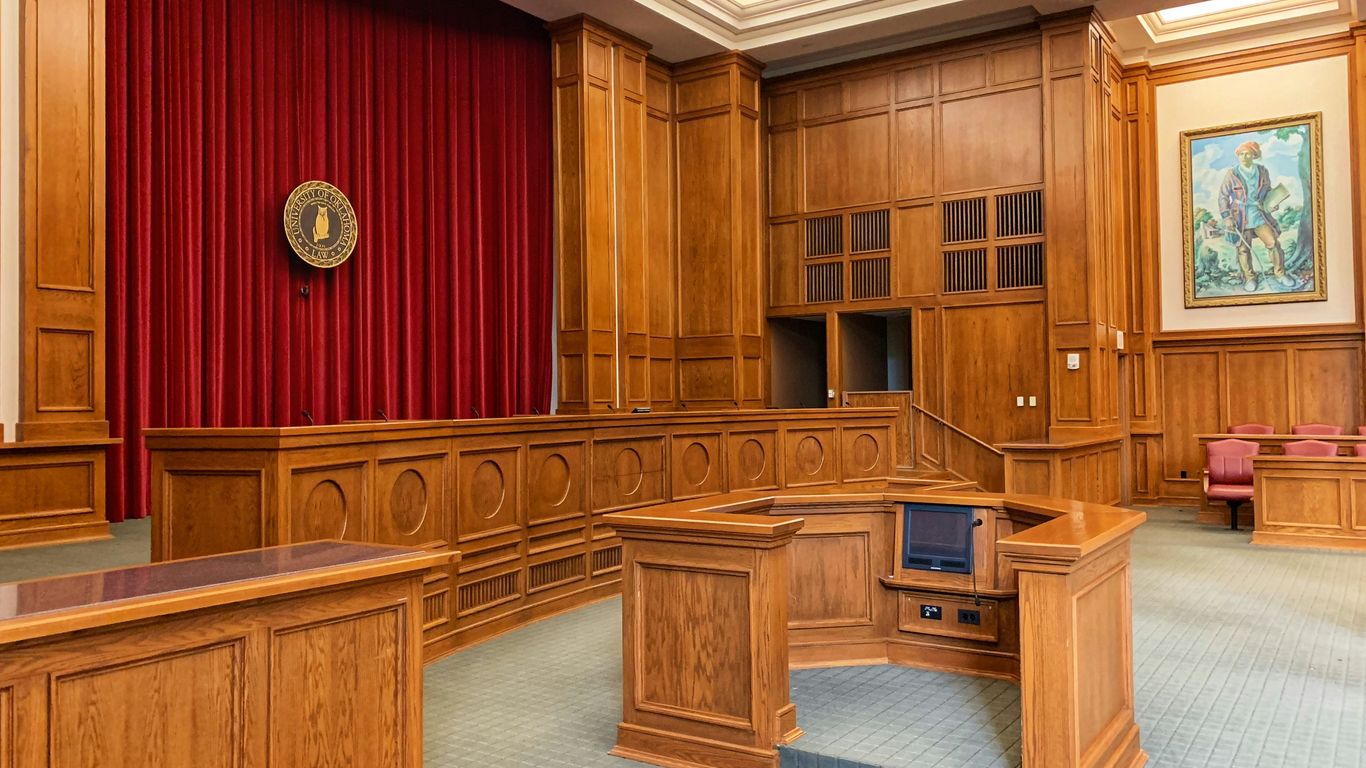
The court system is how we organize legal disputes and decisions. Think of it as a tiered structure designed to handle cases from initial claims all the way up to final appeals. At the base, you have the trial courts. These are where most cases start. They’re responsible for hearing evidence, determining facts, and applying the law to reach an initial decision. This is where witnesses testify, and juries might be involved.
Moving up, we find the appellate courts. If a party believes there was a legal error made in the trial court, they can appeal to a higher court. Appellate courts don’t re-try the facts; instead, they review the trial record to see if the law was applied correctly. They focus on legal questions, not factual ones. This layered review process is key to ensuring fairness and consistency in legal outcomes.
At the very top sits the court of last resort, often called the Supreme Court. This court has the final say on legal matters within its jurisdiction. Its decisions set precedents that all lower courts must follow. This hierarchy helps maintain a uniform application of the law across the entire system.
It’s also important to remember that we have two main types of court systems operating side-by-side: federal and state. State courts handle most day-to-day legal issues, dealing with matters like family law, contract disputes, and most criminal cases that arise under state law. The federal court system, on the other hand, deals with cases involving federal law, the U.S. Constitution, or disputes between citizens of different states. Understanding where a case belongs, known as jurisdiction and venue, is a critical first step in the legal process.
Here’s a simplified look at the typical structure:
- Trial Courts: Where cases begin, facts are determined, and initial judgments are made.
- Appellate Courts: Review trial court decisions for legal errors.
- Courts of Last Resort (e.g., Supreme Court): The final authority on legal interpretation within their system.
This structure, with its distinct levels and functions, is designed to provide a systematic and orderly way to resolve conflicts and uphold the rule of law.
Legal Procedure and Litigation Process
Legal procedure is the set of rules that govern how a case moves through the court system. It’s like the roadmap for a lawsuit, making sure everything happens in an orderly and fair way. Without these procedures, court cases could become chaotic and unpredictable. Think of it as the backstage crew that makes the main performance (the trial) run smoothly.
Initiating a Civil Lawsuit
Starting a civil lawsuit typically begins with the plaintiff filing a document called a complaint with the court. This complaint lays out the facts of the case, explains why the plaintiff believes the defendant is responsible, and states what kind of relief they are seeking. After the complaint is filed, it must be formally delivered to the defendant, a process known as service of process. This ensures the defendant is officially notified of the legal action against them. If service isn’t done correctly, it can cause delays or even dismissal of the case. The defendant then has a set period to respond, usually by filing an answer or making a motion.
Pleadings, Motions, and Discovery
Pleadings are the formal documents filed by each party in a lawsuit, such as the complaint and the answer. They define the core issues in dispute. Beyond pleadings, parties can file motions, which are requests asking the court to make a specific ruling or take a particular action. A common example is a motion to dismiss, where a defendant asks the court to throw out the case based on legal grounds. The discovery phase is a critical part of the process where both sides gather information from each other. This can involve written questions (interrogatories), requests for documents, and sworn testimony taken outside of court (depositions). This phase helps parties understand the strengths and weaknesses of their case and can often lead to settlement.
Trial Procedures and Evidence Rules
If a case doesn’t settle, it proceeds to trial. Trial procedures dictate how evidence is presented, how witnesses testify, and how arguments are made. Evidence rules are strictly followed to ensure that only relevant and reliable information is considered by the judge or jury. This includes rules about what kind of testimony is allowed, how documents can be admitted, and the use of expert opinions. The goal is to determine the facts of the case based on credible proof. The outcome of the trial is usually a verdict, which then leads to a formal judgment by the court. Many cases, however, are resolved before trial through settlements, which are agreements reached between the parties to end the dispute without a court decision. This is a common way to resolve civil disputes.
Evidence and Burden of Proof
When a legal case gets going, someone has to prove what happened, right? That’s where evidence and the burden of proof come in. Think of it like this: the burden of proof is the responsibility to convince the judge or jury that your side of the story is true. The evidence is what you use to do that convincing.
Admissibility of Evidence
Not just anything can be thrown into court as evidence. There are rules about what’s allowed. Generally, evidence has to be relevant to the case – meaning it actually helps answer a question about what happened. It also needs to be reliable. For instance, hearsay, which is usually what someone else said outside of court, is often not allowed because you can’t cross-examine the original speaker. There are exceptions, of course, but the main idea is to keep the focus on trustworthy information that directly relates to the dispute. This helps keep things fair and prevents cases from getting sidetracked by irrelevant or unreliable information.
Standards of Proof in Legal Cases
The level of proof needed really depends on the type of case. In most civil lawsuits, like contract disputes or personal injury claims, the standard is called the "preponderance of the evidence." This just means that your evidence has to show that your claim is more likely true than not true – think of it as tipping the scales just a little bit in your favor. It’s not a super high bar. However, in some more serious civil matters, like fraud allegations, the standard might be "clear and convincing evidence." This is a bit higher, meaning the evidence needs to be highly probable and free from serious doubt. For criminal cases, the standard is the highest: "beyond a reasonable doubt." The prosecution has to prove the defendant’s guilt to a point where there’s no logical, sensible reason to doubt it. This high standard is in place to protect individuals from being wrongly convicted.
Determining Factual Findings
Ultimately, it’s up to the fact-finder – usually a jury, but sometimes a judge – to weigh all the admitted evidence and decide what actually happened. They listen to witnesses, look at documents, and consider any physical evidence presented. Based on all of this, they make findings of fact. These findings are the conclusions about what events occurred. For example, in a car accident case, the fact-finder might conclude that one driver ran a red light. These factual findings then form the basis for applying the relevant law to the case and reaching a verdict. It’s a critical step because without established facts, the law can’t really be applied in a meaningful way. The whole process relies on presenting credible evidence to support your version of events, and understanding the burden of proof is key to knowing how to do that effectively.
Legal Rights, Duties, and Obligations
At its core, law is about defining what individuals and entities can and cannot do, and what they are owed by others. This forms the bedrock of our social interactions and economic activities. Legal rights are essentially entitlements that are recognized and protected by the legal system. Think of them as permissions or claims that you have against others or against the government. For instance, the right to free speech is a fundamental entitlement, meaning the government generally cannot restrict what you say without a very good reason. Similarly, when you purchase a product, you have a right to expect it to be safe and functional, thanks to consumer protection laws.
On the flip side, where there are rights, there are usually corresponding duties and obligations. These are requirements to act, or refrain from acting, in specific ways. If you have the right to be free from harm, others have a duty not to harm you negligently or intentionally. If you enter into a contract, you have an obligation to fulfill your end of the bargain. These duties aren’t just suggestions; they are enforceable standards. The violation of a legal duty often gives rise to a legal remedy, which is how the law attempts to correct the wrong.
Here’s a breakdown of how these concepts work:
- Rights: These are the freedoms, privileges, or claims that the law grants to individuals or groups. They can be broad, like the right to liberty, or specific, like the right to receive payment for services rendered under a contract.
- Duties: These are the responsibilities or obligations that the law imposes on individuals or entities. They are the flip side of rights – if someone has a right, another party likely has a corresponding duty.
- Obligations: Similar to duties, these are commitments that must be fulfilled, often arising from agreements (like contracts) or specific legal relationships (like being a parent).
It’s a delicate balance. The law tries to define these rights and duties in a way that allows individuals to pursue their interests while also maintaining social order and preventing harm to others. For example, property rights allow you to use and enjoy your land, but you also have a duty not to use it in a way that unreasonably harms your neighbors.
The interconnectedness of rights and duties is a key feature of legal systems. One party’s entitlement is often another party’s responsibility. This creates a framework where actions have predictable consequences, fostering stability and trust within society.
Understanding these concepts is vital for anyone interacting within the legal system, whether it’s through everyday transactions or more complex legal disputes. It helps clarify expectations and provides a basis for seeking recourse when things go wrong. For example, knowing your rights as a consumer can help you address issues with faulty goods or services, ensuring you get what you paid for. Consumer protection laws are designed to level the playing field in these situations.
Civil Law and Private Disputes
Civil law is all about sorting out disagreements between people or groups. Think of it as the part of the legal system that handles everyday squabbles, not the ones where the government is prosecuting someone for a crime. It’s where you’d go if there’s a problem with a contract you signed, if someone gets hurt because another person wasn’t careful, or if there’s an issue with property. The main goal here isn’t to punish, but to make things right, usually by compensating the person who was wronged or by ordering someone to do or stop doing something.
Governing Private Party Conflicts
At its heart, civil law provides a structured way to manage conflicts that arise in our daily lives and business dealings. It sets out rules for how we should interact and what happens when those interactions go wrong. This framework is essential for maintaining a stable society where people can rely on agreements and expect a certain level of care from others. Without these rules, disputes could easily escalate, leading to more significant problems. The legal system, including civil law, acts as a crucial governance framework for society, helping to resolve conflict and maintain order. It’s a complex web, but it’s designed to bring predictability to our interactions.
Contract Law Principles
Contract law is a huge part of civil disputes. It deals with agreements, whether they’re written down or just spoken. For an agreement to be a legally binding contract, a few things need to be in place: there has to be a clear offer, an acceptance of that offer, some form of consideration (which is basically what each party gives up or promises), the parties must have the legal capacity to enter into the agreement, and the purpose of the contract must be legal. When one party doesn’t hold up their end of the bargain, that’s a breach of contract, and the other party can seek remedies. These remedies often aim to put the injured party in the position they would have been in if the contract had been fulfilled. It’s all about enforcing promises and ensuring fairness in exchanges.
Tort Law and Civil Wrongs
Then there’s tort law, which covers civil wrongs that cause harm. This isn’t about breaking a specific promise like in a contract, but about causing harm through carelessness or intentional actions. The most common type is negligence, which happens when someone fails to exercise a reasonable level of care, and that failure leads to injury or damage. Think of a car accident caused by speeding or a slip-and-fall at a poorly maintained store. But torts also include intentional acts, like assault or fraud, and situations where strict liability applies, meaning someone is responsible even if they weren’t necessarily careless (like with defective products). To win a tort case, you generally have to show that the defendant owed you a duty, they breached that duty, their breach caused your harm, and you suffered actual damages. It’s about accountability when someone’s actions negatively impact another.
Civil law’s primary function is to provide a mechanism for resolving disputes between private parties and to offer remedies for harms suffered. It operates on the principle that individuals and entities should be held responsible for their actions when they violate the rights or duties owed to others, aiming to restore balance and fairness rather than to punish.
Contract Law Fundamentals
So, you’ve got a situation where two or more people agree to do something, or not do something, and they expect it to be legally binding. That’s basically where contract law comes in. It’s the set of rules that makes sure these promises are actually kept, or at least provides a way to sort things out if they aren’t. Think of it as the backbone for a lot of our daily interactions, from buying coffee to signing a lease on an apartment.
Elements of a Valid Contract
For an agreement to be considered a real contract in the eyes of the law, a few key things need to be in place. It’s not just a handshake and a "you scratch my back, I’ll scratch yours." You need:
- Offer: One party has to clearly propose specific terms. It’s like saying, "I’ll sell you my car for $5,000."
- Acceptance: The other party has to agree to those exact terms, without changing them. "Okay, I’ll buy your car for $5,000" is acceptance.
- Consideration: This is the "something of value" that each party gives up. It’s the car for one person, and the $5,000 for the other. It can’t be a gift; there has to be a bargained-for exchange.
- Mutual Assent: Both parties have to genuinely agree to the same thing. It’s a "meeting of the minds" on the important parts of the deal.
- Capacity: The people involved need to be legally able to enter into a contract. This generally means they’re of legal age and sound mind.
- Lawful Purpose: The agreement can’t be for something illegal. You can’t have a contract to commit a crime, for example.
If any of these pieces are missing, the agreement might not be enforceable. It could be void (meaning it never existed legally) or voidable (meaning one party can choose to back out).
Sometimes, contracts don’t have to be written down to be valid. Oral agreements can be just as binding, though they can be much harder to prove if a dispute arises. This is why putting important agreements in writing is usually a good idea.
Breach of Contract and Remedies
So, what happens when someone doesn’t hold up their end of the bargain? That’s called a breach of contract. It means one party failed to perform their obligations as agreed. Breaches can range from minor hiccups to major failures. A minor breach might be a slight delay in delivery, while a material breach could be failing to deliver the goods at all.
When a breach occurs, the law provides ways to fix it, known as remedies. The main goal is usually to put the non-breaching party in the position they would have been in if the contract had been fulfilled. This often involves:
- Compensatory Damages: This is money paid to cover the actual losses suffered because of the breach. It’s meant to compensate for the harm done.
- Restitution: If one party received a benefit they shouldn’t have, restitution aims to return that benefit.
- Specific Performance: In some rare cases, especially with unique items like real estate, a court might order the breaching party to actually perform the contract as agreed, rather than just paying money.
It’s important to note that the party who suffered the breach usually has a duty to try and minimize their losses, a concept known as mitigation of damages. You can’t just let damages pile up if you could have reasonably prevented some of them.
Interpreting Contractual Agreements
Figuring out what a contract actually means can sometimes be tricky. Courts look at several things when interpreting agreements. They start with the plain language of the contract itself. If the wording is clear, that’s usually what controls. However, if there’s ambiguity, courts might look at:
- The context of the agreement: What were the circumstances surrounding the deal?
- The parties’ conduct: How did they act after the contract was signed?
- Industry customs: What’s standard practice in that particular business or trade?
There are also rules like the parol evidence rule, which generally prevents parties from introducing evidence of prior or contemporaneous agreements that contradict the terms of a final written contract. The idea is that the written document is supposed to be the complete agreement. However, there are exceptions to this rule, especially when dealing with fraud or mistakes. Understanding these interpretation rules is key to knowing your rights and obligations under a contract. If you’re unsure about a contract, it’s always wise to seek advice, perhaps even exploring options like mediation and arbitration before things escalate.
Tort Liability and Civil Wrongs
When someone suffers harm or loss due to the actions or inactions of another, tort law steps in. It’s all about civil wrongs that aren’t necessarily breaches of contract but still cause damage. Think of it as the legal system’s way of sorting out who is responsible when things go wrong between people or entities, outside of formal agreements. The main goal here is to compensate the injured party and, in some cases, to discourage similar harmful behavior in the future. It’s a broad area, covering everything from a simple slip and fall to more complex situations involving defective products.
Negligence and Duty of Care
At the heart of tort law is the concept of negligence. This happens when someone fails to act with reasonable care, and that failure directly leads to someone else getting hurt. To prove negligence, you generally need to show four things: first, that the defendant owed a duty of care to the plaintiff. This duty is often based on foreseeability – if you could reasonably expect your actions might cause harm, you likely owe a duty. Second, that the defendant breached that duty by not acting as a reasonably prudent person would. Third, that this breach caused the plaintiff’s injuries, both in fact and in the eyes of the law (proximate cause). Finally, that the plaintiff suffered actual damages as a result. It’s a careful balancing act, as the law doesn’t expect perfection, just reasonable caution.
Intentional Acts and Strict Liability
Beyond carelessness, torts can also arise from intentional actions. These are acts where the person meant to do the action that caused harm, or knew with substantial certainty that harm would result. Examples include things like assault, battery, or defamation. Then there’s strict liability, which is a bit different. In certain situations, like with defective products or abnormally dangerous activities, liability can be imposed even if the defendant wasn’t negligent or didn’t intend to cause harm. The focus here is on the nature of the activity or product itself, and the fact that harm occurred is enough to establish liability. This is often seen in product liability cases, where a manufacturer can be held responsible for injuries caused by a faulty item, regardless of how careful they were during production. You can find more information on how these civil lawsuits are initiated and what they entail here.
Causation and Damages in Torts
Proving that a defendant’s actions actually caused the plaintiff’s harm is a critical step in any tort claim. This involves two types of causation: actual cause (or "but for" causation) and proximate cause. Actual cause means that the injury would not have happened "but for" the defendant’s actions. Proximate cause, on the other hand, limits liability to harms that were reasonably foreseeable consequences of the defendant’s conduct. It prevents holding someone responsible for every single consequence, no matter how remote. Once causation is established, the focus shifts to damages. These are the losses the plaintiff suffered, which can include economic losses like medical bills and lost wages, as well as non-economic losses such as pain and suffering. In some egregious cases, punitive damages may also be awarded to punish the wrongdoer and deter others.
Legal Remedies and Relief
When someone’s rights have been violated or a legal duty has been ignored, the legal system offers ways to fix that. These are called legal remedies, and they’re designed to put things right, as much as possible. It’s not just about punishment; it’s about making the injured party whole or compelling someone to do what they’re supposed to do. The specific type of remedy depends a lot on the situation and the laws that apply.
Monetary Damages and Compensation
This is probably the most common type of remedy people think of. It involves awarding money to the injured party to cover their losses. These damages aim to compensate for actual harm suffered. There are a few ways this can break down:
- Compensatory Damages: These are meant to reimburse the plaintiff for their actual losses. This can include economic losses, like lost wages or medical bills, and non-economic losses, such as pain and suffering. The goal is to make the injured party financially whole again.
- Punitive Damages: These are a bit different. They aren’t about compensating the victim directly but rather about punishing the wrongdoer for particularly bad behavior and deterring others from doing the same. Their availability and amount can vary a lot depending on the jurisdiction and the severity of the misconduct.
- Nominal Damages: Sometimes, a legal right has been violated, but the injured party didn’t suffer any real financial loss. In these cases, a court might award a very small amount of money, just to acknowledge that a wrong occurred.
Injunctive Relief and Equitable Remedies
Sometimes, money just isn’t enough to fix the problem. That’s where equitable remedies come in. These are court orders that require a party to do something or stop doing something. They’re often used when monetary damages wouldn’t be an adequate solution.
- Injunctions: This is a court order that either compels a party to perform a specific act (a mandatory injunction) or prohibits them from performing a specific act (a prohibitory injunction). For example, a court might issue an injunction to stop a company from polluting a river or to force someone to remove a structure built on another’s property.
- Specific Performance: This is typically used in contract law. If a party breaches a contract for something unique, like a piece of real estate or a rare collectible, a court might order them to actually go through with the sale or action as agreed, rather than just paying damages.
- Rescission: This remedy essentially cancels a contract, putting the parties back in the position they were in before the contract was made. It’s often used in cases of fraud or misrepresentation.
Declaratory Judgments and Specific Performance
These remedies focus on clarifying legal relationships and rights rather than awarding damages or ordering actions directly.
- Declaratory Judgments: A declaratory judgment is a court ruling that clarifies the rights and obligations of parties in a dispute. It doesn’t order anyone to do anything or pay anything, but it resolves uncertainty about the legal status of a matter. For instance, a company might seek a declaratory judgment to determine if a certain business practice complies with regulations.
The choice between different types of legal remedies is a complex decision, often influenced by the specific facts of the case, the applicable laws, and the court’s discretion. The ultimate goal is to achieve a just outcome that addresses the harm caused and upholds legal principles. Understanding these options is key to seeking appropriate resolution when legal rights are infringed upon. For more on how cases are presented, you can look into civil procedure.
- Specific Performance: As mentioned earlier, this is an equitable remedy where a court orders a party to fulfill their contractual obligations. It’s usually reserved for situations where the subject matter of the contract is unique and monetary damages would not be a suitable substitute. Think of a contract to sell a one-of-a-kind piece of art; if the seller backs out, a court might order specific performance to complete the sale.
Enforcement of Legal Judgments
So, you’ve gone through the whole legal process, maybe even had a trial, and a court has made a decision. That decision, the judgment, is supposed to settle things. But what happens if the person or entity who lost the case just… doesn’t do what the court ordered? That’s where the enforcement of legal judgments comes in. It’s basically the system’s way of making sure court orders actually mean something. Without it, court decisions would just be suggestions, and the whole legal system would fall apart pretty quickly.
Mechanisms for Compliance
When a judgment is issued, it creates a legal obligation. If that obligation isn’t met voluntarily, the winning party can ask the court to step in and force compliance. There are several tools available, and the specific ones used often depend on the type of judgment and the assets or actions involved. It’s not always a straightforward process, and sometimes it can feel like a whole new legal battle just to get what you’re already owed.
- Writs: These are formal written orders from the court. A common example is a writ of execution, which directs a sheriff or marshal to seize and sell the losing party’s property to satisfy the debt. It’s a pretty direct way to get at someone’s assets.
- Garnishment: This involves seizing money that belongs to the debtor but is in the hands of a third party. Think of wages being garnished directly from an employer’s paycheck, or funds held in a bank account being seized. It’s a way to get money before it even reaches the debtor.
- Liens: A lien is a legal claim against a property, usually real estate, to secure payment of a debt. If someone owes money and owns a house, the winning party can place a lien on that house. This means the property can’t be sold or refinanced without the debt being paid off first. It’s like putting a hold on the asset until the debt is settled.
Writs, Garnishment, and Liens
These three mechanisms are the workhorses of judgment enforcement. A writ of execution, for instance, is a court order that empowers law enforcement to take action. It might involve seizing specific property or, more commonly, initiating a sale of assets to generate funds. Garnishment is particularly effective for debts involving ongoing income, like wages, or funds held in financial institutions. It intercepts payments before they reach the debtor. Placing a lien on property, such as a house or a vehicle, acts as a security interest. It doesn’t immediately transfer ownership, but it significantly complicates any attempt to sell or transfer the property without satisfying the judgment. Each method has its own procedures and limitations, and the choice often depends on what assets the debtor possesses and where they are located.
Contempt Sanctions and Court Orders
Sometimes, a judgment doesn’t involve just paying money. It might require a party to do something, like perform a specific action, or refrain from doing something, like stopping a certain business practice. When a party refuses to comply with such an order, the court can use contempt sanctions. This is a serious measure. It can involve fines, or in more extreme cases, even jail time, until the party complies with the court’s order. The goal here isn’t just to get money, but to compel obedience to the court’s authority. It’s a powerful tool to ensure that court orders, especially those involving actions rather than just payments, are taken seriously.
The effectiveness of the legal system hinges not just on fair trials and just verdicts, but equally on the reliable enforcement of those decisions. Without robust mechanisms to ensure compliance, the authority of the courts and the integrity of the law itself would be severely undermined, leaving parties without meaningful recourse.
Wrapping Up Our Thoughts on Mediation
So, we’ve talked a lot about how mediation fits into the bigger picture of our legal system. It’s not just some side thing; it’s a real way to sort out disagreements, often faster and with less fuss than going through a full court case. Think of it as a tool that can help people find common ground when things get sticky. While the courts are there for when we really need them, mediation offers a different path, one that can sometimes lead to solutions everyone can live with. It’s about finding practical ways to move forward, and that’s something worth considering.
Frequently Asked Questions
What is Alternative Dispute Resolution (ADR)?
Alternative Dispute Resolution, or ADR, is a way to solve disagreements outside of a courtroom. It includes methods like mediation and arbitration. These options can be chosen by the people involved or sometimes required by a judge. ADR often helps people solve problems more quickly and with less hassle than a traditional lawsuit.
How does mediation work?
Mediation is a process where a neutral person, called a mediator, helps two or more people in a disagreement talk to each other and find a solution they can both agree on. The mediator doesn’t make decisions for them but guides the conversation to help them reach their own understanding and agreement.
What’s the difference between mediation and arbitration?
In mediation, a neutral person helps the parties talk and reach their own agreement. The mediator doesn’t decide who is right or wrong. In arbitration, a neutral person (or a group) listens to both sides and then makes a decision that is usually binding, like a judge would, but in a less formal setting than a court.
What are the main sources of law?
Laws come from several places. Constitutions are the highest laws that set up the government. Legislatures pass laws called statutes. Government agencies create rules called regulations. And judges make decisions in cases that can also become a source of law, especially in common law systems.
What is the structure of the court system?
Most places have different levels of courts. There are trial courts where cases start and facts are decided. Then there are appellate courts that review decisions from the trial courts if there’s a claim of a legal mistake. Some court systems also have a supreme court or court of last resort for the final say.
What is ‘discovery’ in a lawsuit?
Discovery is a part of the legal process where each side in a lawsuit can ask the other side for information and evidence. This can involve written questions, taking sworn statements (depositions), or asking for documents. It helps everyone understand the facts before a trial.
What are legal rights and duties?
Legal rights are things the law says you are allowed to do or have, like the right to free speech or the right to own property. Legal duties are things the law says you must do or must not do, like the duty to pay taxes or not to harm others. Often, one person’s right comes with another person’s duty.
What is contract law about?
Contract law deals with agreements that are legally binding. For an agreement to be a contract, there usually needs to be an offer, an acceptance of that offer, and something of value exchanged (consideration). If someone breaks the rules of the contract, contract law provides ways to fix the problem, often through money damages.