
In the legal world, you can’t just walk into court and sue someone because you feel like it. There are rules, and one of the big ones is called legal standing. Basically, it’s about whether you have the right kind of stake in a case to even be heard by a judge. Think of it as a ticket to get into the courtroom. Without it, your case gets tossed out before it even really starts, no matter how strong your argument might seem.
Key Takeaways
- To bring a lawsuit, you generally need to show you’ve suffered a real harm or are about to.
- The harm you claim must be directly linked to what the other party did.
- A court must be able to fix the problem for you if you win.
- There are special rules for groups or organizations suing on behalf of others.
- If you don’t have legal standing, your case will likely be dismissed.
Fundamental Principles of Legal Standing
Legal standing is one of those ideas that sounds simple but can be pretty tough to pin down in practice. Basically, it’s about who gets to bring a lawsuit in court. Not everyone can sue just because they feel wronged or disagree with an action—there are boundaries.
Elements of Standing Doctrine
To even be considered for a lawsuit, a party must meet a few clear requirements:
- A real and personal stake in the outcome of the dispute. This means the court wants to see that the issue actually touches your life in some tangible way, not just as a concerned onlooker.
- A direct injury or threat of injury that’s not hypothetical. The harm can’t just be a generalized complaint shared by everyone.
- The harm must be fairly traceable to the opposing party’s actions, not caused by some third factor.
- There should be a likelihood that a favorable court decision would address and fix the injury.
Here’s a table showing the basic components:
| Component | What it Means |
|---|---|
| Injury in Fact | Actual, specific harm |
| Causation | Injury linked to defendant |
| Redressability | Court can fix the problem |
Historical Development of Legal Standing
The concept of legal standing grew out of broader efforts to limit what courts can decide. In the past, courts were flooded by people bringing lawsuits about all kinds of public matters, often with little personal connection. The US system turned to the idea of standing to make sure that courts stuck to resolving real disputes between specific parties, focusing on concrete harms. Over time, different courts—and especially the federal courts—developed tests that sharpened and formalized these requirements.
Standing serves as a gatekeeper, making sure courts only hear real disputes between parties actually affected by the outcome.
Purpose and Policy Rationale
So, why all the strict requirements? Several policy reasons drive the doctrine:
- Preventing courts from issuing rulings on abstract or political questions that are better left to legislatures.
- Avoiding wasted judicial resources on claims with no real impact for the parties involved.
- Protecting the separation of powers by making sure courts don’t step into the roles of lawmakers or executives—a principle recognized in both state and federal systems, as seen in views influenced by different schools of legal thought.
In short, the doctrine of standing is there to keep cases grounded in real facts and practical justice—not just theoretical problems or philosophical debates.
Essential Requirements for Legal Standing
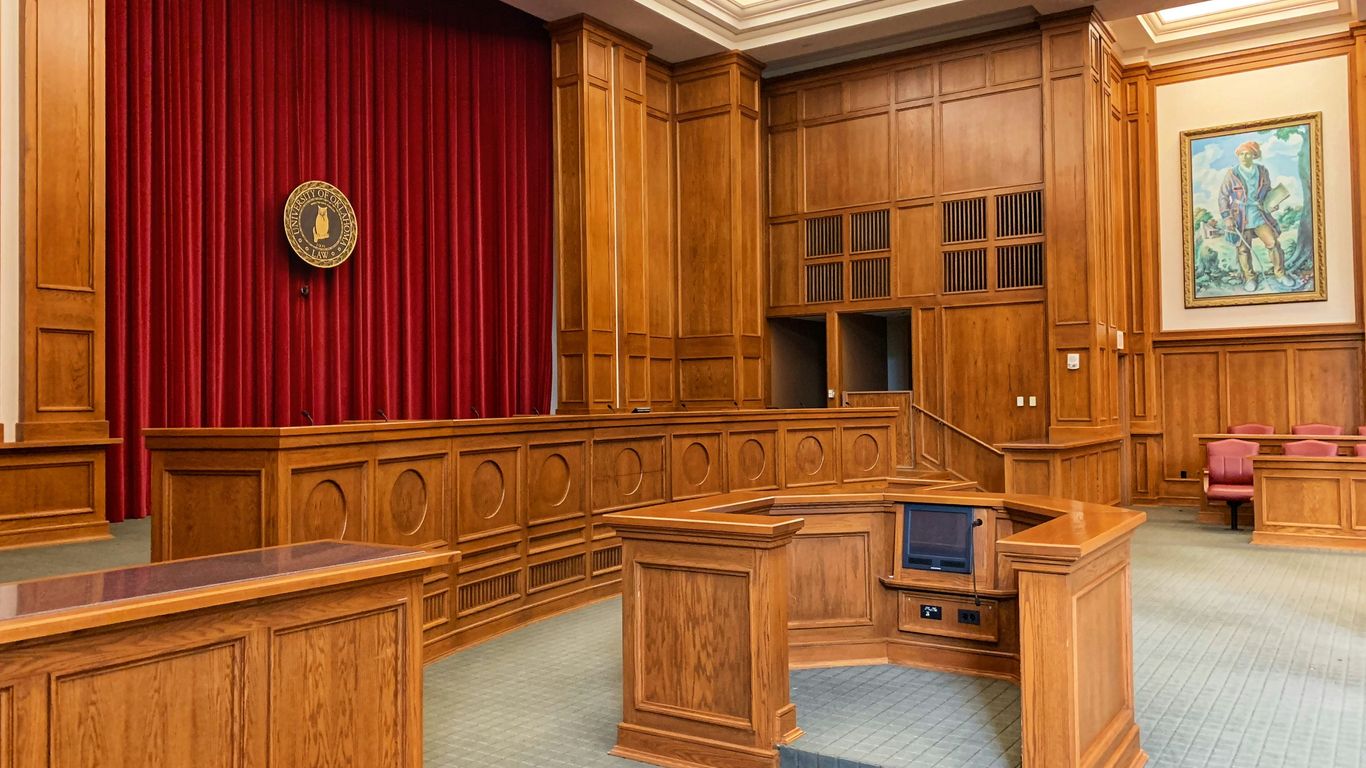
To file a lawsuit, a person or group has to meet certain legal requirements. Standing isn’t just a technical rule—it’s what lets someone actually make a claim in court. These requirements make sure that courts only handle real disputes where someone has something concrete at stake. If you don’t have standing, your case ends before it starts.
Concrete Injury Requirement
The first thing courts ask is whether the plaintiff suffered some real harm. This harm must be actual—not something vague or hypothetical. The law calls this an "injury in fact."
- The injury must be specific and personal to the plaintiff.
- It can’t just be a general complaint about how the law is enforced.
- Future harm sometimes counts, but only if it’s very likely to happen.
This focus on real harm filters out cases based on broad disagreements about policy or abstract rights. Courts want to be sure they’re resolving actual disputes, not settling debates better left to lawmakers.
Causation in Standing Analysis
A plaintiff also needs to show a direct link between the alleged harm and the conduct of the defendant. If your injury isn’t fairly traceable to what the other side did, standing fails.
- Proving causation means showing the defendant’s act or omission played a key role in causing the injury.
- If there’s another independent cause, the claim could break down.
- Courts are careful not to rely on speculation; the chain between action and harm has to make sense without big logical leaps.
If a lawsuit falls apart at this stage, it’s often because the connection between the conduct and the injury is too weak to qualify for court involvement. Steps such as proper service of process matter, but so does making sure the right party is being sued for the right reason.
Redressability and Legal Remedies
Finally, courts need confidence that their ruling could actually fix the problem. It’s not enough for the plaintiff to show harm and trace it to the defendant—there has to be a remedy available.
- The court’s decision must be able to provide meaningful relief—monetary damages, an injunction, or another remedy.
- If the harm can’t be addressed by a court order, standing is missing.
- Sometimes, legal restrictions limit what sorts of remedies are possible in a case, which can block standing for technical but important reasons.
| Requirement | What It Means | Does Court Review? |
|---|---|---|
| Concrete Injury | Plaintiff suffers real and personal harm | Yes |
| Causation | Harm linked to defendant’s action/inaction | Yes |
| Redressability | Court can provide a legal remedy | Yes |
A court won’t even reach the merits of a case if standing is absent. Each case is checked for these requirements from the beginning—if any piece is missing, the lawsuit gets dismissed right away.
Injury in Fact: The Core of Legal Standing
Legal standing is meaningless without the central idea of "injury in fact"—the actual harm someone must show before a court hears the case. Courts won’t weigh in on just any complaint or policy disagreement. They require that a real, specific harm has happened or is about to. Let’s break down what makes an injury count, how it is distinguished from broad or hypothetical issues, and walk through some examples.
Actual or Imminent Harm
To get into court, you need to show that harm has already occurred or is very likely to happen soon. A fear of something that might, someday, possibly happen is not enough. For example:
- If your neighbor builds a fence that actually blocks your driveway, that’s actual harm.
- If a law is passed, but you can’t point to how it tangibly affects you right now (or soon will), you probably don’t have standing.
- Harm can include physical injury, financial loss, or emotional distress, as long as it’s concrete and not just speculative.
Sometimes people hope the courts will weigh in on issues just because they’re important to society or government. But without an alleged harm that is real and personalized, judges are required to turn those cases away.
Particularized versus Generalized Injuries
A key sentence here: Only those injuries that directly impact the person or group bringing the lawsuit—making them particularized—will generally satisfy the injury in fact requirement.
This means your situation, not just a general complaint, drives your eligibility to sue. Here’s the difference:
- Particularized: You suffered identity theft after a data breach—your personal info and finances are at risk.
- Generalized: You’re upset about broad government waste or general debt, but can’t show a unique effect on you.
- If the alleged injury is shared by everyone and isn’t felt in a unique way by the plaintiff, courts typically view it as too generalized.
Examples of Recognized Legal Injuries
Courts have developed a body of cases showing what counts as a valid injury for standing. Here’s a short table:
| Type of Injury | Example |
|---|---|
| Physical Harm | Trespass, assault, or pollution |
| Economic Loss | Unpaid wages, denied benefits |
| Statutory Violations | Unlawful surveillance under a privacy law |
| Denied Access | Being refused entry to public facilities |
It’s worth noting that sometimes, a statutory violation (like a failure to provide required notices) alone is enough if the law grants you that specific right.
- "Injury in fact" weeds out cases that courts aren’t meant to solve, keeping the focus on real disputes—ones where the plaintiff is hurt in a clear, individual way.
- Courts routinely reject lawsuits where the plaintiff can’t show an actual or specific harm, even when the policy challenged feels unfair or wrong.
- Showing actual or imminent, particularized injury is your ticket to federal court—and without it, your case ends before it starts.
Causation and Redressability in Standing Claims
Standing isn’t just about claiming you’re hurt—it also depends on showing that the defendant’s actions caused that hurt, and that a court can actually give you something to fix it. These ideas—causation and redressability—are two links in the chain you need to make your case stick. Without them, judges usually have to toss your lawsuit out, no matter how unfair things seem. Let’s look closer at each piece.
Linking Defendant’s Conduct to Injury
To get into court, a plaintiff must show that the defendant’s actions or inactions caused their specific injury. You need more than vague blame or indirect consequences—the connection has to be tight.
Courts look for a logical and direct link between the challenged conduct and your harm. It’s not enough to say the defendant made a bad choice; you have to show that choice led straight to your situation.
Some common approaches courts use:
- Is the injury a foreseeable result of the defendant’s actions?
- Does the injury depend on too many other people’s choices (making the link weak)?
- Is the link merely speculative, or does it have factual support?
If you can’t show the defendant’s actions are closely tied to your claimed harm, you’ll almost always lose on standing grounds, no matter how upset you are.
Judicial Redressability
Redressability means the court must be able to offer a genuine solution—some form of relief that fixes, stops, or at least eases your injury. Courts don’t get involved if they can’t do anything about your problem, even if it’s real.
A claim flunks this test if:
- The court’s order wouldn’t actually impact your situation.
- The harm comes from someone not before the court (meaning the judge’s order wouldn’t work).
- The relief is too uncertain or depends on unpredictable events.
Redressability is about practical results, not just legal theories.
Barriers to Redress under Law
Sometimes, legal limits block a court from helping, even when the injury and causation are clear. This can happen in several ways:
- Statutory or constitutional rules may bar certain remedies (for example, a law may prohibit lawsuits for specific harms).
- Immunities (like government immunity) can stop courts from ordering any relief, no matter how strong the case.
- Changes in circumstances (like passed deadlines or mootness) might leave courts powerless.
Here’s a simple chart to show some common obstacles to redressability:
| Barrier Type | Example |
|---|---|
| Statutory Limitations | Prohibition on damages for certain claims |
| Sovereign Immunity | Government immune from suit |
| Mootness | Problem already resolved or outdated |
| Third-Party Causation | Harm comes from someone not in court |
Causation and redressability make sure courts don’t waste time on complaints they can’t fix, and that lawsuits target the right party in a way judges can address.
Associational and Organizational Standing
Sometimes, a group or organization wants to sue on behalf of its members, or maybe even for itself. This is where associational and organizational standing comes into play. It’s a bit different from an individual suing for their own personal harm, but the core idea is still about having a legitimate reason to be in court.
Standing for Associations
An association can sue if its members would have standing to sue in their own right. This means the organization itself has to show that its members have suffered some kind of injury. It’s not enough for the organization to just be unhappy about something; the harm has to be real and affect the people it represents. Think of it like this: if the members can’t sue, the association usually can’t either. The organization needs to demonstrate that the issue at hand actually impacts its members directly.
Requirements under Hunt v. Washington State
The Supreme Court case Hunt v. Washington State Apple Advertising Commission laid out a pretty clear test for when an association can sue. Basically, there are three main things they look for:
- Injury in Fact: The association must show that its members are harmed. This harm has to be concrete and particularized, meaning it affects the members in a way that’s specific to them, not just a general grievance shared by everyone. It could be economic loss, a violation of their rights, or something similar.
- Causation: The harm suffered by the members must be traceable to the actions of the defendant. The organization needs to connect the dots between what the other party did and the injury its members experienced.
- Redressability: It must be likely that a favorable court decision will actually fix the problem for the members. If winning the lawsuit won’t actually remedy the harm, then there’s no point in the court getting involved.
Limits and Scope of Organizational Representation
Even when an association meets the Hunt criteria, there are still limits. For instance, if the lawsuit is about something that only affects a few specific members, and their individual circumstances are really unique, the association might not be able to represent them. The court needs to be convinced that the organization can adequately represent the interests of all its members involved in the case. It’s all about making sure that the legal process is fair and that everyone’s rights are properly considered. If the organization can’t effectively represent its members, the court might dismiss the case. This is why it’s so important for the initial complaint to clearly establish standing for all parties involved, including any organizations.
The ability for an organization to sue on behalf of its members is a vital part of our legal system, allowing collective voices to be heard when individual actions might be impractical or insufficient. It ensures that broader interests can be addressed in court, provided the specific legal tests for standing are met.
Third-Party Standing and Exceptions
General Bar on Third-Party Claims
In most lawsuits, the party who files suit needs to show their own legal interest has been directly affected. Courts usually don’t let people assert someone else’s legal rights in court. This is because letting only those directly injured sue keeps cases focused and avoids unnecessary legal fights. If just anyone could sue, the courts would be overflowing with claims only remotely tied to actual disputes.
- Plaintiffs must typically prove injury to themselves, not to others
- Courts discourage unrelated parties from inserting themselves into a dispute
- It maintains respect for the injured party’s autonomy to decide if and how to seek remedy
Prudential Exceptions to the Rule
But there are some exceptions. Courts sometimes let plaintiffs argue for the rights of others, especially if certain conditions are met: the third party cannot reasonably assert their own rights, and there is a close relationship between the plaintiff and the third party. For example, doctors occasionally challenge abortion regulations on behalf of their patients, since the patients’ legal barriers and privacy concerns make it tough for them to sue on their own.
Here’s a quick at-a-glance table of when exceptions might be allowed:
| Exception Type | Example Scenario | Court Reasoning |
|---|---|---|
| Close Relationship | Doctor sues for patients | Strong link, aligned interests |
| Hindrance to Third Party | Minor child’s parent sues | Third party can’t easily sue |
| Statutory Grant | Organization sues for members | Law allows representation |
Special Contexts Allowing Third-Party Standing
Some situations come up often where third-party standing is recognized:
- Parents or guardians acting on behalf of minors or people under disability
- Associations or organizations representing their members in court
- Vendors or service providers challenged over regulations affecting their clients
Even with exceptions, these cases are rare and scrutinized. For example, civil litigation sometimes involves defenses like assumption of risk or statutory immunity, but these usually require the person affected to be part of the case themselves, not a well-meaning third party.
Third-party standing is an unusual but important aspect of law. While legal claims generally stick to those directly injured or involved, exceptions exist to balance fairness, accessibility, and judicial efficiency. The basic idea is that standing rules serve as a gatekeeper, ensuring that lawsuits are brought only by proper parties and for the right reasons.
Standing in Constitutional and Statutory Contexts
Standing shapes when and how people or organizations can assert a legal claim in court. In the U.S., the rules are mostly set by the Constitution and by federal or state statutes. The specifics are pretty important because whether you have standing decides if the court ever hears your case at all. Let’s break down the differences and what each actually means.
Standing in Federal Courts under Article III
Federal courts are limited by Article III of the U.S. Constitution. If you want your lawsuit heard in a federal court, you have to meet the minimum requirements set out by this part of the Constitution. Article III demands:
- There must be an actual or impending injury, not just a hypothetical disagreement.
- The injury must be fairly tied to the defendant’s actions.
- There must be a chance that a court ruling will actually fix the injury, even if only partially.
Here’s a quick look at Article III standing requirements:
| Element | What it Means | Example |
|---|---|---|
| Injury in Fact | Real, personal harm | Financial loss, denied benefits |
| Causation | Direct link between defendant and harm | Law or act that affected the plaintiff |
| Redressability | Court can offer some remedy | Injunction, monetary compensation |
Statutory Standing and Congressional Authority
On top of constitutional limits, Congress (or state legislatures) can pass laws that give individuals a specific right to sue under certain statutes. This is called statutory standing. At first glance, it might seem like Congress could open the doors as wide as it wants, but it’s not unlimited. Courts still check if someone meets both the statute and constitutional rules. Typical situations include:
- Environmental protection laws allowing residents to sue over pollution.
- Consumer laws letting people sue for unfair business practices.
- Civil rights statutes authorizing private enforcement of anti-discrimination rules.
Sometimes there’s a bit of a tug-of-war. Congress may write a broad law, but the courts can decide that Article III still sets the floor—so a statute can’t give standing where the Constitution says no.
Impact on Civil Rights and Regulatory Laws
Legal standing has a real impact on who can enforce civil rights and bring business or personal claims under regulatory law. It shapes:
- Who can bring lawsuits to challenge discrimination, unfair treatment, or environmental harm.
- The scope of government agency decisions that can be reviewed by courts.
- If "public interest" groups or only directly affected individuals can sue on behalf of others.
Standing requirements can make it tough for broad challenges—sometimes only those who suffer a concrete, personal loss can step into court. At the same time, statutes are often designed to allow more people to enforce important public policies.
Legal standing in constitutional and statutory contexts isn’t just theoretical. Whether a person or a group can sue shapes how laws work in the real world, determining who actually has a voice in legal disputes and policy challenges.
Jurisdictional Aspects of Legal Standing
Understanding how legal standing ties into a court’s power is more than just a technical detail—it’s at the center of whether a lawsuit is allowed to move forward or is stopped at the very beginning. Let’s look at the three main ways standing comes into play when talking about jurisdiction.
Role of Standing in Subject Matter Jurisdiction
Courts, especially federal courts, just don’t have open doors for every concern people might want to raise. For a court to decide a case, the plaintiff must show not only standing but also that the court has the authority—the right subject matter jurisdiction—to hear the type of dispute. Legal standing is a gatekeeping requirement, ensuring plaintiffs bring real controversies, not abstract disagreements or "what-if" scenarios.
Here’s why standing matters for subject matter jurisdiction:
- If a plaintiff cannot show actual injury, the court lacks the power to rule, no matter how interesting the issue is.
- Standing is assessed at every stage: if at any point it’s found lacking, the court loses jurisdiction.
- Courts must address standing even if both sides overlook it—judges can’t skip this question.
Distinction from Prudential Jurisdictional Limits
Not every bar to a lawsuit is about the court’s power. Some limits are prudential—created by courts to avoid tricky or messy cases, not because the Constitution demands it. While constitutional standing can never be set aside, courts sometimes relax prudential limits if Congress says so or if strong policy reasons push in that direction.
Common prudential barriers include:
- No standing to raise another person’s rights (with exceptions).
- No suits over generalized grievances shared by all citizens.
- No claims for abstract or hypothetical injuries.
Blockquote:
Sometimes, judges use prudential limits to keep their dockets manageable by avoiding questions better answered by politicians or regulators.
Standing Challenges and Motions to Dismiss
When a lawsuit lands in court, one of the earliest battles often comes from the defense—challenging whether the plaintiff genuinely has standing. Motions to dismiss based on lack of standing are common, and judges take them seriously.
A typical motion proceeds like this:
- Defendant argues plaintiff wasn’t personally injured or affected.
- Plaintiff must show, often with evidence, a direct, personal stake in the outcome.
- If the judge agrees there’s no standing, the case ends right away—dismissed for lack of jurisdiction.
Here’s a look at how things unfold:
| Step | Who Is Responsible | Result If Standing Fails |
|---|---|---|
| File motion to dismiss | Defendant | Plaintiff must respond |
| Judge reviews evidence | Court | Dismisses if standing lacking |
| Possible amendment | Plaintiff | Can refile if fixable |
| End of the road | Court | Lawsuit ends on jurisdiction |
A failure of standing isn’t just a procedural hiccup. It means the court was never allowed to hear the case at all, no matter what the underlying facts may be. That’s a big deal, making every litigant think carefully before walking into court.
Limitations and Doctrinal Constraints on Standing
Legal standing is not just about qualifying to get into court. Doctrinal restrictions, like mootness and ripeness, can keep a case from ever being heard—even if a valid claim is present.
- Mootness means the issue at hand has already been resolved or is no longer relevant by the time it reaches the court. Courts won’t rule on cases if their decisions can’t affect any party.
- Ripeness involves timing — a case is unripe if it depends on future events that may not happen. Courts routinely dismiss claims that are too speculative.
- Both rules prevent courts from wasting resources on abstract or hypothetical disputes.
When a case loses its controversy, a judge often has no choice but to dismiss, which can frustrate claimants looking for definitive answers.
Prohibition on Advisory Opinions
Courts in the United States do not issue advisory opinions. This means they won’t answer legal questions unless there is an actual dispute between real opposing parties. Here are the main reasons for this prohibition:
- Safeguards the separation of powers, keeping courts from overstepping and reviewing laws outside real cases.
- Ensures judicial resources are spent only on genuine controversies.
- Preserves public trust in court decisions, which only resolve concrete disputes.
If someone tries to ask a court for an opinion on a law’s validity outside of an ongoing lawsuit, almost all judges will refuse.
Political Question Doctrine
Some matters are simply off limits for courts. The political question doctrine applies when issues are more suited to resolution by elected branches—Congress or the President—rather than judges. This constraint is vital to maintaining the court’s role and avoiding unnecessary battles between government branches.
Key features of the doctrine include:
- The case involves constitutional questions better left to policymakers.
- There’s a lack of judicially manageable standards to resolve the dispute.
- Deciding the issue would show a lack of respect for coordinate branches or contradict prior decisions.
| Doctrine | Effect on Standing |
|---|---|
| Mootness | Bars cases with no current dispute |
| Ripeness | Prevents premature lawsuits |
| Advisory Opinion Ban | Requires real parties and conflict |
| Political Question | Excludes political matters from review |
Statute of limitations can also block lawsuits if plaintiffs miss important deadlines, so understanding these legal deadlines is just as important as meeting the initial requirements for standing.
Ultimately, these doctrinal limits protect court resources, respect separation of powers, and keep the judiciary focused on real disputes.
Legal Standing in Class Actions and Aggregate Litigation
Class actions and other forms of aggregate litigation are special legal tools designed to handle situations where a large number of people have similar claims against a single defendant or group of defendants. Think about a situation where a company sells a faulty product to thousands of consumers, or a bank charges illegal fees to its entire customer base. Pursuing individual lawsuits for each person would be incredibly inefficient, if not impossible. That’s where class actions come in.
Class Representative Standing
For a class action to even get off the ground, the person or people who want to represent the entire group – the class representatives – must have legal standing. This means they have to show that they personally suffered an injury that is directly related to the defendant’s actions, and that a court can actually do something to fix their specific problem. It’s not enough for them to just be unhappy about what happened; they need to demonstrate a concrete, personal stake in the outcome of the lawsuit. If the class representative doesn’t have standing, the whole case can be thrown out before it even begins.
Requirements under Rule 23
Federal Rule of Civil Procedure 23 lays out the specific requirements for certifying a class action. It’s not just about having a lot of people with similar issues. The court looks at several key factors:
- Numerosity: The class must be so large that joining all members individually is impractical. We’re talking hundreds, thousands, or even more people.
- Commonality: There must be questions of law or fact common to the entire class. This means the core legal issues and factual circumstances should be the same for everyone.
- Typicality: The claims or defenses of the class representative(s) must be typical of the claims or defenses of the class as a whole. They can’t have unique circumstances that make their situation stand out too much.
- Adequacy of Representation: The class representative(s) and their legal counsel must fairly and adequately protect the interests of the entire class. This involves looking at whether there are conflicts of interest and if the lawyers are competent.
Beyond these initial requirements, the court also considers whether the class action will be more efficient and fair than individual lawsuits. This often involves looking at things like the manageability of the case and whether the defendant’s conduct affected the class in a similar way.
Implications for Absent Class Members
One of the most significant aspects of class actions is how they affect people who are part of the class but aren’t actively involved in the litigation – the absent class members. When a class action is certified and ultimately resolved, either through a judgment or a settlement, that resolution is binding on all class members, whether they know about it or not. This is a huge deal because it means their claims are resolved, and they generally can’t sue the defendant separately for the same issue later on.
Because of this broad impact, courts pay very close attention to the fairness of any proposed settlement. They want to make sure that the settlement adequately compensates the class members for their injuries and that the process for distributing any awarded funds is fair and efficient. It’s a way to ensure that while individual participation might be minimal, the outcome still respects the rights and interests of everyone involved.
State versus Federal Standing Doctrines

State and federal courts in the U.S. often have their own rules about who has the right to bring a lawsuit, also known as legal standing. The differences aren’t just technical: they affect who can access the courts, what kinds of disputes get resolved, and even the balance of power between state and federal governments. Sometimes it can be confusing—one court might hear your case, while another sends you home. Let’s take a closer look at how these doctrines play out.
Variation Among State Standing Rules
Even though federal standing is based on Article III of the U.S. Constitution, each state has the freedom to create its own standards for standing. Here’s how they can vary:
- Many states use rules similar to federal court, requiring injury, causation, and redressability.
- Some states have broader rules, allowing lawsuits where plaintiffs show a public right is being violated, even if their personal harm is slight.
- Other states stick closely to conventional injury requirements, denying access for "generalized grievances."
| State | Standing Rule Basis | Broadness |
|---|---|---|
| California | Broader public interest approach | High |
| Texas | Traditional injury-in-fact | Moderate |
| New York | Mix of personal & public interest | Moderate |
| Illinois | Traditional plus taxpayer suits | Moderate |
Courts often balance a desire for open access with the need to prevent frivolous or purely political lawsuits.
Interplay with Federal Jurisdiction
So, what happens when a case could go to either state or federal court? Jurisdiction rules determine which court can actually hear the case. Federal courts only hear cases when federal standing rules are met, but state courts can use their own—sometimes looser—rules. That means:
- Cases dismissed for lack of federal standing might still proceed in state court.
- Federal court jurisdiction includes cases involving federal questions, diversity of citizenship, or the United States as a party—yet standing rules remain strict within that scope.
- This split can impact outcomes, especially when national laws or rights are at issue. For more on how jurisdiction shapes which court gets the case, check out this helpful explanation of federal and state court jurisdictions.
Examples from State Supreme Courts
Looking at a few real examples helps make this concrete:
- California Supreme Court lets citizens sue over environmental laws without showing direct harm to themselves, as long as enforcement of a broad right is at stake.
- Texas courts typically reject cases where a person can’t show personal loss or injury—even if a law is unpopular or widely criticized.
- New York courts sometimes allow standing for certain taxpayer suits, especially when there’s alleged misuse of government funds.
State and federal standing rules shape the legal landscape both for individuals and for groups seeking broad changes through the courts. If you’re planning litigation, knowing not just the facts of your case but where you file can make all the difference.
Legal Consequences of Lack of Standing
When a court determines that a party lacks legal standing, it can truly put an abrupt end to the case—regardless of how compelling the claims might seem. Standing isn’t just a technical hurdle; it’s a gatekeeper that ensures only those with a direct stake in the outcome can bring an action. Below, we’ll break down the main results when plaintiffs can’t clear this bar, as well as the ripple effects a standing dismissal can have on broader litigation efforts.
Dismissal of Lawsuits for Lack of Standing
If the plaintiff can’t show standing, the court will dismiss the lawsuit outright, often at an early stage. This means:
- No evidence is heard and no trial is held; the claim ends before it can move forward.
- Dismissals are usually "without prejudice," giving the plaintiff a chance to fix the issue if possible (though sometimes correction isn’t realistic).
- Courts will address the standing issue before considering any of the substance of the case.
Here’s a quick look at typical court responses:
| Stage | Court Action | Impact on Plaintiff |
|---|---|---|
| Motion to Dismiss | Dismissal | May refile if curable |
| Summary Judgment | Denied (no standing) | No ruling on merits |
| Appellate Review | Affirmed or vacated | Ends unless reversed |
For more on how parties and elements interact in these cases, see the basic structure of civil disputes.
Preclusion and Judicial Efficiency
The doctrine of preclusion (or res judicata) rarely applies when a case is dismissed for lack of standing, since there’s no decision on the actual merits. Still, these dismissals serve judicial efficiency:
- Declines court resources on non-justiciable matters
- Avoids contradictory or advisory decisions
- Preserves the time and effort of all parties and the judicial system
As a result, legal standing directly shores up the court’s ability to focus on disputes where there’s a meaningful, real-world controversy.
Strategic Considerations for Plaintiffs
Lack of standing isn’t always obvious at the start and can catch plaintiffs off guard. Strategic steps and pitfalls for those looking to file include:
- Carefully assess whether alleged injury is direct, concrete, and personal
- Anticipate defendant’s challenge to standing early in the case
- Gather robust evidence of injury and a legal right to relief
- Consider potential class action hurdles if representing a group
When standing’s lacking, the courthouse doors stay shut, no matter how persuasive the grievance may sound. Plaintiffs can’t count on sympathy; they need to show, with real facts, that the law puts them in the right place to sue.
Overall, lacking standing cuts off a lawsuit at the root—meaning plaintiffs should always confirm they fit legal requirements before heading to court. Not doing so can waste time, money, and the chance for real resolution.
Understanding Legal Standing
So, when it comes down to it, having legal standing is pretty important if you want to bring a case to court. It basically means you have a real stake in the outcome because you’ve been directly harmed. Without that injury, and without showing that the court can actually fix the problem, your lawsuit probably won’t get very far. It’s a gatekeeper, making sure courts deal with actual disputes and not just hypothetical situations. Keep this in mind as you think about any legal action.
Frequently Asked Questions
What does it mean to have ‘legal standing’ to sue someone?
Legal standing is like having permission to go to court. It means you have a good enough reason and a real connection to the problem to ask a judge to help you. You can’t just sue someone because you don’t like them; you have to show that you’ve been personally harmed or are about to be harmed.
What are the main things a person needs to show to have standing?
To have standing, you generally need to prove three main things. First, you must have suffered an ‘injury’ – something bad happened to you or is about to happen. Second, this injury must have been caused by the person or thing you’re suing. Third, a court decision must be able to fix or help with the injury.
What kind of ‘injury’ counts for legal standing?
The injury needs to be real and not just something you imagine. It could be a financial loss, damage to your property, or even harm to your rights. It has to be specific to you, not just a problem that affects everyone in general, like a general dislike for a new law.
How important is it that the defendant’s actions caused the injury?
This is super important. You have to show a clear link between what the other person did and the harm you suffered. If your injury was caused by something else entirely, or if it’s just a coincidence, you probably won’t have standing to sue them for it.
What does ‘redressability’ mean in legal standing?
Redressability means that the court can actually do something to help you. If you win your case, can the court’s decision fix your problem or give you something you lost? If the court can’t provide a solution, even if you prove your case, you might not have standing.
Can a group or organization sue on behalf of its members?
Yes, sometimes groups or organizations can sue if their members have been harmed. The organization usually needs to show that its members are directly affected, that the issue is related to the group’s purpose, and that the members themselves would have standing to sue.
What happens if a court decides you don’t have legal standing?
If a judge decides you don’t have legal standing, your lawsuit will likely be dismissed. This means the court won’t hear your case at all, and you won’t get a chance to argue the main points of your complaint. It’s like being told you can’t even enter the race.
Is legal standing the same in all courts?
Not exactly. While the basic ideas of injury, causation, and redressability are similar, different courts (like state versus federal courts) might have slightly different rules or interpretations of what counts as having standing. It’s important to understand the specific rules for the court you’re in.