So, you’re trying to figure out how laws stack up against each other? It’s not always straightforward. Think of it like a pyramid, with some rules being way more important than others. This whole setup, the precedent hierarchy structure, helps courts decide which legal ideas to follow when they’re looking at a case. It’s all about making sure things are fair and consistent, but also that the law can change when it needs to.
Key Takeaways
- The hierarchy of legal precedent shows how different sources of law are ranked, with the Constitution usually at the top.
- Judicial precedent, or case law, is important for consistency, but it has to fit within the bigger legal picture.
- Constitutional law is supreme; it’s the ultimate authority that all other laws must obey.
- Statutes passed by legislatures and rules from government agencies also hold significant weight, but they can’t contradict the Constitution.
- Understanding where a legal rule comes from helps determine how it should be applied in court.
Understanding the Precedent Hierarchy Structure
Foundations of Law and Legal Systems
Law, at its core, is a system of rules designed to keep order and settle disagreements within a society. These rules are created and enforced by governing bodies. Think of it as the framework that tells us what we can and can’t do, and what happens when those lines are crossed. Legal systems define rights, outline responsibilities, and set up procedures for how things should work. It’s not just about punishment; it’s also about establishing how things like contracts, property, and personal relationships are managed. The whole point is to create a predictable environment where people know what to expect.
Sources of Legal Authority
Where does law actually come from? It’s not just one place. We have constitutions, which are like the ultimate rulebooks for how a government is set up and what rights people have. Then there are statutes, which are laws passed by legislatures – your typical bills that become laws. Administrative agencies also create rules, called regulations, to carry out the laws passed by legislatures. And importantly, judicial decisions, or case law, play a huge role, especially in common law systems. These decisions interpret the other sources of law and can create binding rules for future cases. It’s a mix of written laws and interpretations that build up over time.
Classifications of Law
Law isn’t just one big blob; it’s broken down into different categories to make it easier to understand and apply. We often talk about public law versus private law. Public law deals with the government and its relationship with individuals or other governments. Think constitutional law or criminal law. Private law, on the other hand, covers disputes between individuals or organizations, like contract disputes or personal injury cases (torts). We also distinguish between substantive law, which defines rights and duties, and procedural law, which sets out the rules for how legal cases are handled. Understanding these classifications helps clarify the specific rules and remedies that apply in any given situation. It’s like organizing a library; you need sections to find what you’re looking for efficiently.
The Role of Judicial Precedent
Judicial precedent is the backbone of common law systems, providing a strong guide for courts deciding new cases. It’s kind of like having a well-used map for exploring unfamiliar territory. Courts lean on earlier rulings to maintain stability and fairness, but precedent also helps the law adapt over time—slowly, and with reasoned steps.
Binding Precedent Within Jurisdictions
In most legal systems, higher court decisions "bind" lower courts. This means that if a supreme or appellate court makes a decision, all inferior courts in that jurisdiction need to follow it in future similar disputes. It keeps the law from veering off wildly from one judge to another. Here’s a quick summary table that shows how it works:
| Court Level | Who Must Follow? |
|---|---|
| Supreme Court | All lower courts |
| Appellate Court | Trial courts in the district |
| Trial Court | None, but may persuade others |
Having a clear structure, where top courts set the rules, helps lawyers and everyday people anticipate outcomes and reduces surprises in the legal process.
Consistency and Predictability in Adjudication
Precedent increases predictability. When judges stick to previous rulings, people (not just lawyers) can get a sense of how the law might apply in their lives. No one wants drastically different outcomes in similar cases. This commitment to consistency strengthens trust in the legal system. For instance, if one trial court orders an injunction, other courts will likely issue similar orders for similar facts, following the established approach (role of judicial precedent).
Judicial precedent promotes:
- Uniformity across cases
- Fairness in decision-making
- Public confidence in the courts
Evolution of Law Through Case Law
Laws aren’t fixed in concrete—judges sometimes change their minds about old decisions. Case law allows the system to adjust, though not too quickly or randomly. Over time, as society changes, courts reinterpret old rulings to match new realities. Still, such changes are careful and usually stem from real-world issues, not just theory.
Some factors pushing for changes in precedent include:
- Developments in technology or society
- Shifting values or wider social changes
- Recognition of past judicial errors
In short, judicial precedent creates the legal system’s memory, balancing stable tradition with the needs of today.
Constitutional Law as Supreme Authority

Constitutional Supremacy Over Other Laws
The Constitution stands at the very top of the legal pyramid. It’s the foundational document that sets the rules for how the government operates and what rights individuals possess. Think of it as the ultimate rulebook. Any law passed by Congress, any regulation from an agency, or any state law that conflicts with the Constitution is considered invalid. This principle, often called constitutional supremacy, means the Constitution’s provisions always win out. It’s a way to keep the government’s power in check and protect the rights guaranteed to everyone. The Supremacy Clause in Article VI of the U.S. Constitution makes this explicit, stating that the Constitution and federal laws made pursuant to it are the supreme Law of the Land.
Foundations of Constitutional Interpretation
Figuring out what the Constitution means isn’t always straightforward. Courts have developed different ways to interpret its text. Some judges focus strictly on the plain meaning of the words used, a method called textualism. Others try to understand what the people who wrote and ratified the Constitution intended, known as originalism. Then there’s the idea of a "living Constitution," which suggests the document should be interpreted in light of modern society and values. These different approaches can lead to very different outcomes when deciding cases.
- Textualism: Focuses on the literal meaning of the words.
- Originalism: Seeks the original understanding of the text.
- Living Constitution: Views the Constitution as adaptable to changing times.
Judicial Review of Governmental Actions
One of the most significant powers courts have is judicial review. This is the authority to examine laws and actions taken by the legislative and executive branches and decide if they align with the Constitution. If a court finds a law or action unconstitutional, it can strike it down, effectively nullifying it. This power is not explicitly written in the Constitution but was established early on through landmark court cases, like Marbury v. Madison. It’s a vital mechanism for upholding the Constitution’s supreme status and preventing government overreach. The ability of courts to review governmental actions serves as a check on power.
Statutory Law and Legislative Enactments
Statutory law often sets the framework for a country’s legal rules. These are the laws passed by legislatures, like Congress or state assemblies, and they cover everything from taxes to traffic to environmental rules.
The Authority of Legislatures
Only a recognized legislative body can create statutory law. Legislatures represent the public through elected officials, and their main tool is the statute—a detailed, formally written law.
- Statutes can outline broad policies or get very specific about what is required or forbidden.
- Passed statutes overpower previous common law decisions when conflicts happen.
- Some laws are basic, but others allow agencies or courts to clarify the details over time.
It’s common for statutory law to reflect changing public priorities or respond to newsworthy scandals and emergencies.
Legislatures are often seen as the direct voice of the people since they debate and vote on new laws in public sessions.
Statutory Interpretation and Application
A big part of the legal system is figuring out what a statute really means. Courts do this constantly. They start with the text of the law, but things are rarely clear-cut.
- Judges often look at the plain meaning first.
- If that doesn’t settle things, courts consider legislative intent—what lawmakers wanted to accomplish.
- Courts may also rely on established canons, like favoring a narrow reading of criminal statutes.
Here’s a simple example of statutory interpretation steps:
- Examine the actual language of the law.
- Check for ambiguity—does it have multiple meanings?
- Look into legislative history and debate records.
Relationship Between Statutes and Case Law
There’s a constant back-and-forth between what the legislature writes and how courts apply it. Statutes are supposed to lead, but case law fills in gaps and addresses unusual or unforeseen situations.
| Statutory Law | Case Law |
|---|---|
| Created by legislature | Developed by judges |
| Applies broadly | Applies in specific cases |
| Can override common law | Interprets/apply statutes |
A few things to keep in mind:
- When a statute is unclear, case law steps in to set boundaries and give practical meaning.
- If a court’s interpretation proves unpopular, legislatures can amend the law to fix it.
- Both forms of law must respect higher authorities, like the Constitution.
Statutory law lays out society’s rules, but the real shape of those rules often emerges only after courts, lawyers, and regular people test them in real life.
Administrative Law and Agency Regulations
Delegation of Authority to Agencies
Legislatures, like Congress, often can’t get into the weeds of every single issue that needs regulating. So, they pass laws that give certain government bodies, called agencies, the power to create and enforce more detailed rules. This is known as delegation of authority. Think of it like a principal giving a specific task to a trusted assistant. The key here is that Congress has to give the agency clear instructions, an "intelligible principle," so the agency knows what it’s supposed to do and doesn’t just make things up as it goes along. This power allows agencies to handle complex areas like environmental protection or financial markets, but it’s always a balancing act between giving agencies enough room to work and making sure they stay within the bounds set by lawmakers. The scope of this delegated power can shift over time, influenced by new policy ideas and how courts interpret the laws [dfd6].
Rulemaking and Adjudication Processes
Agencies have two main ways of doing their work. First, there’s rulemaking, where they create general rules that apply to everyone in a certain category. This is often how they flesh out the details of a law passed by Congress. It usually involves a public process where people can comment on the proposed rules. Second, there’s adjudication, which is more like a trial. Agencies hold hearings to resolve specific disputes between parties, much like a court would, but within the agency’s area of expertise. These processes are designed to be fair and follow specific procedures, but they can get complicated quickly.
Judicial Review of Agency Decisions
Even though agencies have this delegated power, their actions aren’t totally free from oversight. Courts can step in and review what agencies do. This is called judicial review. It’s not a free-for-all; courts look at specific things. For factual findings, they often use the "substantial evidence" standard, meaning there has to be enough evidence for a reasonable person to agree with the agency. For broader policy decisions, they might use the "arbitrary and capricious" standard. This means the agency’s decision can’t just be random; it needs a logical basis. The level of deference a court gives to an agency’s interpretation of a law can vary, and sometimes courts look at issues without giving any deference at all. This review process is vital for holding agencies accountable and making sure they act legally and reasonably [3e5e].
Administrative law is a huge part of our legal system, touching everything from the food we eat to the air we breathe. It’s how the government manages a lot of the day-to-day stuff that affects us all. While it might seem distant, understanding how these agencies operate and how they can be held accountable is pretty important for citizens and businesses alike.
The Court System and Jurisdictional Levels
The way legal cases move through the system is pretty structured, and it all starts with understanding the different levels of courts and where they have the authority to hear a case. Think of it like a ladder, with each step representing a different kind of court.
Trial Courts and Fact Determination
These are usually the first stop for any legal matter. Trial courts are where the actual facts of a case are presented and decided. This is where witnesses testify, evidence is shown, and a judge or jury listens to everything to figure out what happened. The primary job here is to establish the facts. If you’re involved in a lawsuit, this is where your story gets told for the first time. It’s a pretty important stage because the facts found here can shape everything that follows. You can learn more about the foundations of law and how these systems work.
Appellate Courts and Legal Error Review
If one of the parties in a trial court case believes there was a mistake in how the law was applied, they can ask a higher court to look at it. These are the appellate courts. They don’t re-hear all the evidence or call new witnesses. Instead, they focus specifically on whether the trial court judge made a legal error. They review the transcripts and arguments to see if the law was interpreted or applied correctly. It’s all about checking for legal accuracy at this level.
Courts of Last Resort and Final Interpretations
At the very top of the court system are the courts of last resort, like the Supreme Court in many countries. These courts have the final say on legal matters within their jurisdiction. They typically hear cases that have already been reviewed by appellate courts, often focusing on issues of significant legal or constitutional importance. Their decisions set precedents that all lower courts must follow. It’s where the ultimate interpretation of laws and the constitution often happens, shaping the legal landscape for everyone. Understanding jurisdiction is key to knowing how these courts operate.
Binding vs. Persuasive Authority
Mandatory Authority Within a Jurisdiction
When we talk about legal precedent, it’s really important to know where the rules come from. In any given legal system, like a state or a federal court system, there’s a clear hierarchy. Decisions made by higher courts within that same system are considered binding authority for lower courts. This means a trial court in California absolutely has to follow a ruling from the California Supreme Court on a similar issue. It’s not optional; it’s the law of the land for that jurisdiction. This principle, known as stare decisis, is what keeps the legal system from becoming a free-for-all. It ensures that similar cases are treated similarly, which is pretty important for fairness. Think of it like this: if the top court in your state says you can’t do something, all the courts below it have to listen. This is a core part of how our legal framework operates, providing a predictable path for legal arguments and outcomes. The foundations of law are built on this idea of consistent application.
Persuasive Authority from Other Jurisdictions
Now, what happens when a court faces a legal question that hasn’t been decided by a higher court in its own jurisdiction? Or what if there’s no clear precedent at all? This is where persuasive authority comes into play. Courts can look to decisions from other jurisdictions – say, a ruling from a New York court when a California court is deciding a case. These decisions aren’t binding, meaning the court doesn’t have to follow them. However, they can be really helpful. A judge might find a well-reasoned opinion from another state’s supreme court persuasive, especially if the legal issues are similar. It’s like getting advice from a knowledgeable friend in another town when you’re stuck. The court can choose to adopt the reasoning if it makes sense for the current case. This is especially common in areas of law that are still developing or where there’s a split among different courts.
Factors Influencing Persuasiveness
So, what makes one of these outside decisions more convincing than another? Several things can influence whether a court finds persuasive authority truly helpful. The reputation of the court that made the decision matters; a ruling from a highly respected court might carry more weight. The quality of the legal reasoning in the opinion is also key. Did the judges thoroughly analyze the issue? Did they consider different viewpoints? A well-written, logical argument is more likely to be adopted. The similarity of the facts in the prior case to the current case is also a big factor. If the situations are almost identical, the prior ruling is more likely to be seen as relevant. Sometimes, even dissenting opinions from other courts can be persuasive if they raise points that the current court finds compelling. Ultimately, it’s up to the judge to decide if an outside ruling offers a sound basis for their own decision, helping to shape the law in areas where their own jurisdiction hasn’t yet spoken. This process is vital for the evolution of law through case law.
Legal Interpretation and Judicial Reasoning
When judges look at a case, they don’t just pull answers out of thin air. They have to figure out what the law actually means and how it applies to the specific situation in front of them. This process, called legal interpretation, is a big part of what judges do. It’s not always straightforward because laws can be written in different ways, and sometimes they don’t perfectly cover every single scenario that comes up.
Textual Analysis and Legislative Intent
One of the main ways judges try to understand a law is by looking closely at the words used. This is called textual analysis. They consider the plain meaning of the words and how they fit together. But it’s not just about the words on the page. Judges also try to figure out what the people who made the law – the legislature – were trying to achieve. This is known as legislative intent. Sometimes, the legislative history, like committee reports or debates, can offer clues about what lawmakers intended. It’s a balancing act, trying to respect the text while also understanding the purpose behind it. The goal is to apply the law as written and intended.
The Influence of Precedent on Interpretation
Judges don’t operate in a vacuum. They are heavily influenced by past decisions, a concept known as stare decisis or judicial precedent. When a similar case has been decided before, especially by a higher court in the same jurisdiction, judges are generally expected to follow that earlier ruling. This helps make the law predictable and consistent. However, interpreting precedent isn’t always simple. Judges might need to distinguish the current case from a previous one if the facts are different, or they might consider how legal principles have evolved over time. Understanding how previous courts reasoned is a key part of a judge’s job.
Policy Considerations in Judicial Decisions
Beyond the text of the law and past rulings, judges also consider the broader policy implications of their decisions. They think about how a particular interpretation might affect society, the economy, or individual rights. This doesn’t mean judges are making laws; rather, they are considering the practical consequences of applying a law in a certain way. It’s about making sure that the application of law serves justice and the public good. Sometimes, these policy considerations can be complex, involving competing interests and potential outcomes.
- Understanding Statutory Language: Judges examine the precise wording of statutes.
- Examining Legislative History: Clues to intent can be found in records of the lawmaking process.
- Considering Societal Impact: The potential effects of a ruling on the public are weighed.
The process of interpreting laws requires a careful blend of linguistic analysis, historical context, and an awareness of the law’s practical effects. It’s a dynamic process that ensures laws remain relevant and just in a changing world. This careful consideration helps maintain the integrity of the legal system.
Here’s a simplified look at how interpretation might work:
| Step | Action |
|---|---|
| 1 | Identify the relevant law(s). |
| 2 | Analyze the specific facts of the case. |
| 3 | Examine the text of the law for meaning. |
| 4 | Consider legislative intent and history. |
| 5 | Review relevant judicial precedent. |
| 6 | Evaluate policy implications. |
| 7 | Apply the law to the facts and reach a decision. |
Procedural Rules and Their Impact
Governing the Flow of Legal Cases
Think of procedural rules as the traffic laws of the legal system. They aren’t about what the law is, but rather how cases get from point A to point B. Without these rules, courtrooms would be chaotic, and resolving disputes would be a mess. They dictate everything from how a lawsuit is started, like filing a complaint, to how evidence is presented and what deadlines must be met. It’s all about creating a structured path for legal matters.
Ensuring Fairness and Orderly Resolution
These rules are designed with a couple of big goals in mind: fairness and order. They aim to give everyone involved a fair shot. For instance, rules about discovery mean that parties have to share relevant information with each other before a trial. This prevents surprises and helps ensure that decisions are based on all the facts, not just what one side decides to reveal at the last minute. It’s about making sure the process itself is just, not just the final outcome. This also helps keep things moving along in a predictable way, so people know what to expect.
Procedural Compliance and Outcome Significance
Here’s where things can get tricky: following the rules isn’t just a suggestion; it’s often critical. If a party doesn’t follow the correct procedures, it can have serious consequences. Sometimes, a case might be dismissed entirely, or a party might lose the ability to present certain evidence. It’s not uncommon for a case to be won or lost based on procedural missteps rather than the core legal arguments. This makes understanding and adhering to procedural rules absolutely vital for anyone involved in the legal system.
Here’s a quick look at some common procedural stages:
- Pleadings: This is where the initial claims and defenses are laid out in documents like complaints and answers.
- Discovery: Parties exchange information and evidence through methods like interrogatories, depositions, and requests for documents.
- Motions: Lawyers can ask the court to make specific decisions or take certain actions during the case.
- Trial: If the case isn’t settled or dismissed, evidence is presented, and a judge or jury makes a decision.
- Appeals: A party who disagrees with the trial court’s decision can ask a higher court to review it.
The effectiveness of any legal system hinges not only on the substance of its laws but also on the integrity and efficiency of its procedural mechanisms. These rules provide the framework through which substantive rights are asserted and protected, acting as the gatekeepers of justice and the architects of orderly dispute resolution.
The Doctrine of Stare Decisis
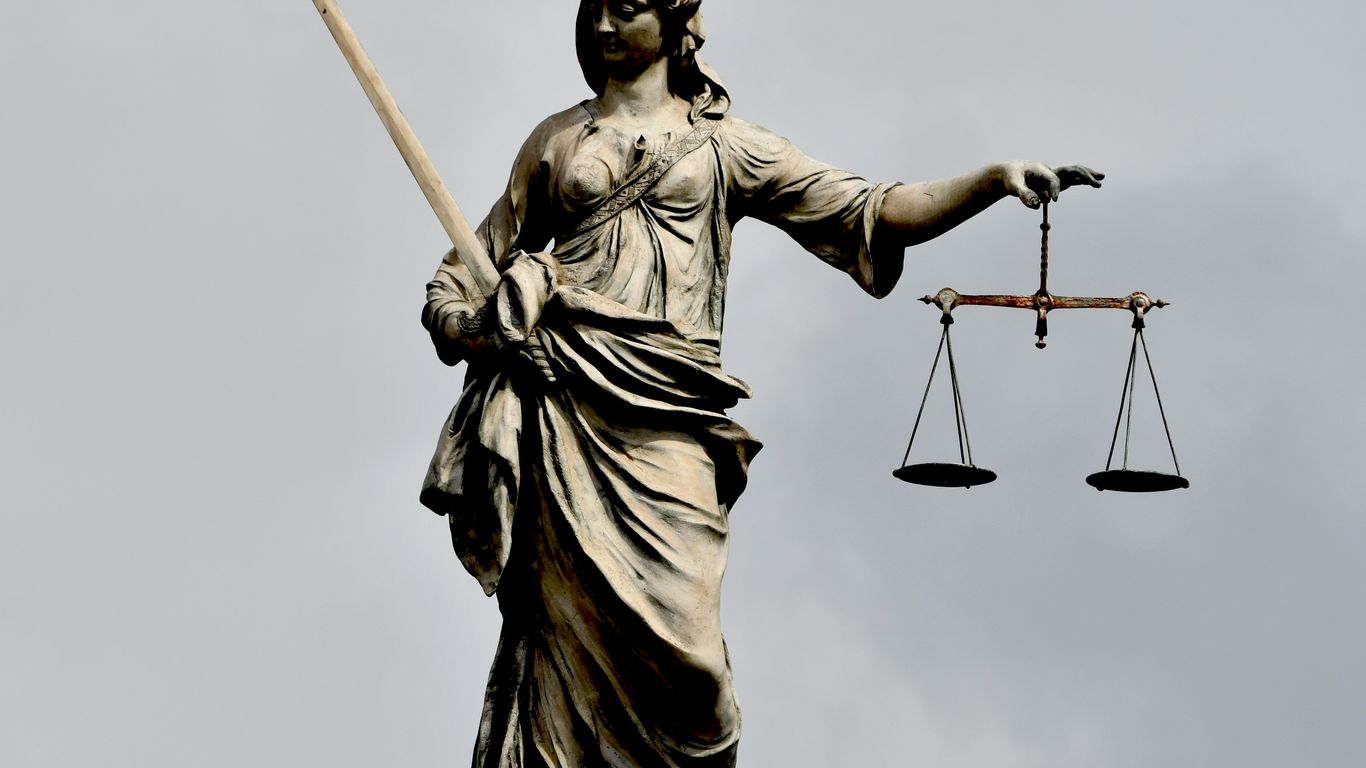
Stare decisis is a Latin phrase that simply means "to stand by things decided." For courts in common law jurisdictions, it’s the backbone of legal stability. By following earlier court decisions in similar cases, courts keep legal outcomes predictable and consistent. Here’s a look at how this doctrine works, why it matters, and when it’s set aside.
Adherence to Prior Rulings
When a court faces a legal question that’s been decided before, stare decisis usually requires the current court to follow that earlier ruling. This practice builds a body of predictable law across time.
- Courts stick to prior decisions when facts and law remain sufficiently similar
- It saves time and resources—no need to rethink every issue from scratch
- People and businesses can plan their actions based on established law
Promoting Stability in Legal Principles
The doctrine’s real strength is in giving everyone some certainty. If courts changed their minds every year, it’d be chaos for anyone trying to follow the law. Stare decisis reduces unnecessary litigation and supports efficient judicial administration. For example, the doctrine of res judicata also works to prevent relitigation and maintain finality.
Stability in law means businesses, governments, and individuals can organize their affairs without worrying that the foundational rules will shift overnight.
Benefits of Stare Decisis
| Benefit | Effect |
|---|---|
| Predictable outcomes | Boosts public confidence |
| Judicial efficiency | Reduces court backlogs |
| Fairness | Treats similar cases alike |
Exceptions and Overruling Precedent
Stare decisis isn’t an absolute command. Sometimes, courts do overrule prior decisions—though it’s not something they do lightly. Key reasons include:
- The earlier precedent is unworkable or outdated
- Social values or circumstances have changed greatly
- The previous decision was clearly wrong on legal grounds
Even the highest courts grapple with balancing respect for precedent with correcting legal errors. It’s a tough call: ignore past decisions too often, and you lose stability; follow bad ones blindly, and injustice can take root.
In short, stare decisis has shaped the law into a system that values both the wisdom of the past and the need for progress. It’s never rigid, but always present.
Putting It All Together
So, we’ve looked at how laws are made and how courts use them. It’s pretty clear that when a court makes a decision, other courts down the line tend to follow it, especially if they’re in the same area. This whole system of following past rulings, or precedent, is what keeps things mostly predictable. It’s not like a rigid rulebook where nothing ever changes, but it does mean that lawyers and judges have a solid foundation to work from. Understanding this hierarchy helps make sense of why certain cases turn out the way they do and how the law slowly shifts over time.
Frequently Asked Questions
What is a legal precedent?
Think of legal precedent like a rule that judges have to follow from past cases. If a higher court has already made a decision on a similar issue, lower courts in the same area usually have to stick to that decision. It helps make sure the law is applied fairly and consistently.
Why is the Constitution considered the highest law?
The Constitution is like the ultimate rulebook for a country. It sets up the government and lists the basic rights of the people. Any other law, like one made by a legislature, can’t go against what the Constitution says. If it does, it’s not valid.
What’s the difference between a binding and a persuasive precedent?
A binding precedent is a past decision that a court *must* follow because it’s from a higher court in the same legal area. A persuasive precedent is a past decision from a different court or area that a judge *can* choose to listen to, but doesn’t have to. It might just be helpful or convincing.
How do judges decide what a law means?
Judges look at the actual words of the law, try to figure out what the lawmakers intended when they wrote it, and consider past decisions (precedents). They also think about what makes the most sense for society and fairness.
What is ‘stare decisis’?
Stare decisis is a fancy Latin term that basically means ‘to stand by things decided.’ It’s the principle that courts should follow the precedents set by previous decisions. This keeps the law stable and predictable.
Can a precedent ever be changed?
Yes, sometimes precedents can be changed or ‘overruled.’ This usually happens when a higher court decides that a previous ruling was wrong or no longer fits with current society. It’s not done lightly, though, because consistency is important.
What role do laws made by legislatures play?
Laws made by legislatures, called statutes, are very important. They are written rules that cover many areas of life. While courts interpret these laws and apply precedents, the statutes themselves are the direct commands from the people’s elected representatives.
What are administrative laws?
These are rules created by government agencies, like the Environmental Protection Agency or the Food and Drug Administration. These agencies are given power by legislatures to create specific rules to carry out broader laws. Courts can review these agency rules to make sure they are legal.