
Checks and balances theory is about making sure that no single part of government gets too much power. It’s a simple idea, but it shapes a lot of how things work in government. Each branch—the legislative, executive, and judicial—has its own job, but they also keep an eye on each other. This stops any one group from running the show. Over time, this theory has changed a bit, but the main goal stays the same: balance and fairness in how the country is run.
Key Takeaways
- Checks and balances theory divides government power so no branch controls everything.
- Each branch—legislative, executive, and judicial—can limit the others in different ways.
- Separation of powers and federalism both help keep government actions in check.
- Courts can review and stop laws or actions that go against the constitution.
- People have rights and ways to challenge the government if those rights are threatened.
Foundations of Checks and Balances Theory in Constitutional Law
Origins and Theoretical Underpinnings
The idea of checks and balances isn’t exactly new. Thinkers have been wrestling with how to keep government power in check for ages. The core concept is pretty simple: no single person or group should have too much authority. If one part of the government gets too powerful, it can start to overstep its bounds, and that’s bad news for everyone else. This theory really took shape during the Enlightenment, with philosophers like Montesquieu laying out how different branches of government could keep each other honest. It’s all about preventing tyranny by making sure power is spread out and that each branch has ways to limit the others.
Role in Limiting Government Power
So, how does this actually work to limit government? Well, it’s built into the structure. You have different branches – usually legislative, executive, and judicial – and each has its own job. But they don’t just do their own thing in isolation. They have ways to interfere with, or at least influence, what the other branches are doing. For example, a legislature might pass a law, but the executive can veto it. Or a court can strike down a law if it doesn’t follow the constitution. It’s like a constant negotiation, or sometimes a tug-of-war, that keeps any one branch from becoming too dominant. This prevents the government from becoming an unchecked force.
Influence on Legal Interpretation
This whole system of checks and balances really shapes how laws are interpreted. When courts look at a law, they’re not just asking if it makes sense on its own. They’re also considering whether it fits within the broader constitutional framework, which includes the idea that power is divided. Judges have to think about how their decisions might affect the balance of power between different branches or between the federal government and the states. It means that legal interpretation isn’t just about the words on the page; it’s also about the underlying structure of governance and the historical context of how power has been distributed and limited over time. It’s a pretty complex dance, really.
Separation of Powers and Institutional Structure
The separation of powers is a design that splits government authority among different branches so no single group controls everything. This setup is baked into the way most democratic governments work. By splitting up who makes laws, who enforces them, and who interprets them, governments create a natural check on abuse. Still, these branches aren’t totally independent—they rely on each other more than you’d think.
Division of Legislative, Executive, and Judicial Functions
- Legislative branch: Usually writes and passes laws, controls public funds, and checks what the executive does.
- Executive branch: Enforces laws, manages day-to-day operations, and handles national security or foreign affairs.
- Judicial branch: Settles arguments over what laws mean and keeps both the legislators and the executive inside the rules.
Here’s a simple table showing who does what:
| Branch | Main Role | Key Powers |
|---|---|---|
| Legislative | Makes laws | Budget control, oversight |
| Executive | Enforces laws | Appointments, veto power |
| Judicial | Interprets laws | Judicial review, rulings |
Interdependence of Branches
Even though these branches act separately, they often need each other to get things done:
- Legislators pass laws the executive branch carries out.
- The executive proposes budgets, but the legislature has to approve the spending.
- Courts may strike down laws or executive decisions if they break the constitution, but they don’t write new laws themselves.
Each branch has to interact with the others, and sometimes, friction is built in on purpose. This tension stops any part of government from getting out of hand.
Historical Evolution of Separation
The idea of splitting government power isn’t new, but how it’s done has changed over time. In some early governments, a single individual or group held all power, but people quickly saw how that led to abuses.
A few changes over history:
- Early city-states had very little division; kings or councils did everything.
- More modern systems, like those shaped by Enlightenment thinkers, spelled out distinct powers and duties for each branch.
- Countries have adjusted their balance over time—sometimes giving one branch more influence, sometimes taking it back.
Today, separation of powers remains a basic tool for preventing centralized power and making sure the government stays accountable.
Legislative Oversight and Restraint Mechanisms
The legislative branch, while tasked with making laws, also plays a critical role in keeping the other branches of government in check. It’s not just about passing bills; it’s about ensuring accountability and preventing overreach. This oversight function is a cornerstone of how our government is designed to work, preventing any one part from becoming too powerful.
Budgetary Control and Appropriations
One of the most significant ways the legislature exercises control is through its power over the purse strings. Congress, for instance, has the exclusive authority to levy taxes and appropriate funds. This means that no money can be spent by the executive branch or any agency without legislative approval. This power is not just about funding programs; it’s a potent tool for shaping policy and directing government action. If an agency isn’t performing as expected, or if a proposed executive action is unpopular, the legislature can effectively rein it in by cutting or redirecting its budget. It’s a constant negotiation, and the power of appropriation is a major bargaining chip in the relationship between the branches. This process involves detailed scrutiny of agency budgets and can lead to intense debates over spending priorities.
Impeachment and Removal Power
For more serious transgressions, the legislature holds the ultimate power to remove officials, including the President, from office through impeachment. This process, outlined in the Constitution, serves as a severe check on executive and judicial misconduct. It’s a complex procedure, starting with impeachment by the House of Representatives and followed by a trial in the Senate. While rarely used, the mere existence of this power acts as a deterrent against abuses of authority. It reminds public officials that they are accountable not just to the voters, but to the constitutional framework itself. The grounds for impeachment typically involve "Treason, Bribery, or other high Crimes and Misdemeanors," a phrase that has been subject to much interpretation over time.
Committee System and Investigations
The legislative branch utilizes a robust committee system to conduct oversight. These committees hold hearings, gather information, and investigate the actions of the executive branch and its agencies. This is where much of the detailed work of legislative oversight happens. Committees can summon witnesses, demand documents, and scrutinize policies and programs. For example, a committee might investigate the effectiveness of a particular government program or look into allegations of waste or corruption. The findings from these investigations can lead to legislative reforms, budget adjustments, or even impeachment proceedings. It’s a way for the legislature to stay informed and to act as the public’s watchdog, ensuring that government operates transparently and efficiently. The ability to conduct these investigations is a vital part of maintaining the separation of powers within the government structure.
Executive Authority and Its Constitutional Limits
The executive branch, headed by the President, holds significant power, but this authority is not absolute. The Constitution carefully outlines the scope of executive functions and establishes several mechanisms to keep this branch in check. Understanding these limits is key to appreciating the system of checks and balances in action.
Veto and Appointment Powers
The President has the power to sign bills passed by Congress into law or to veto them. A veto sends a bill back to Congress, which can override it with a two-thirds vote in both houses. This veto power is a significant check on legislative action. Similarly, the President appoints federal judges, ambassadors, and other high-ranking officials, but these appointments require the advice and consent of the Senate. This means the Senate has a say in who holds critical positions within the government, preventing unilateral executive decisions.
Administrative Discretion Under Law
While the executive branch administers and enforces laws, its discretion is bound by statutory and constitutional boundaries. Agencies within the executive branch create regulations, but they must operate within the authority granted by Congress. The principle of administrative law ensures that agencies act reasonably and in line with legislative intent. Courts play a role here, reviewing agency actions to make sure they don’t overstep their bounds. This oversight helps prevent arbitrary governance and ensures that executive actions align with the broader legal framework.
Checks from Legislative and Judicial Branches
Beyond the veto and appointment powers, Congress can also check executive authority through oversight, investigations, and the power of the purse. It controls the budget and can refuse to fund executive initiatives. The judicial branch, through judicial review, can declare executive actions unconstitutional. This means that any action taken by the executive must ultimately stand up to scrutiny from both the legislature and the judiciary. The interplay between these branches is a constant negotiation of power, designed to protect the public interest and uphold the Constitution’s structure.
The executive’s capacity to act is derived from, and limited by, the laws passed by the legislature and the overarching principles of the Constitution. This dynamic ensures that power is dispersed and that no single branch can dominate the others, maintaining a delicate balance essential for a functioning republic.
Judicial Review and Constitutional Compliance
Judicial review means that courts get to check whether government actions actually fit within the rules set by the constitution. It’s one of the big reasons our government can’t just do whatever it pleases—there’s always a referee, so to speak. The idea is pretty simple: “Is this law, executive order, or action playing fair according to our highest legal document?”
Sometimes courts stepping in stops a policy in its tracks, while other times, their ruling gives it a green light. In either case, the courts are the last stop for protecting the constitution’s authority.
Grounds for Judicial Review
A court doesn’t just take any case. To decide whether a government action is legitimate, there usually needs to be:
- A clear constitutional question (like, does this really violate free speech?).
- An actual dispute, not just a hypothetical or someone’s annoyance.
- The person bringing the case must be affected directly, keeping things focused on real harm.
The courts look to the constitution’s text, history, and earlier cases to figure out what’s allowed and what’s not. Arguments on both sides—supporting or attacking a law’s constitutionality—are considered before a decision is made. The whole process can be strict or pretty relaxed, depending on what’s at stake.
Impact on Public Policy and Government Acts
Judicial review shapes what happens in the country. Every big decision—from school policies to federal programs—could end up in court. Here’s what that means:
- Unconstitutional laws or actions can be thrown out, no matter how popular they are.
- Government officials, from the President down, know there are boundaries to their authority.
- The public often finds out about policy details when courts review and explain them in public decisions.
The back-and-forth of government branches doesn’t just create tension—it keeps the entire system more honest and transparent for everyone.
| Policy Area | Example of Judicial Impact | Possible Outcome |
|---|---|---|
| Civil rights | Decision on free speech limits | Law revised or struck down |
| Economic regulation | Review of regulatory agency rules | Rule enforced or removed |
| Criminal justice | Challenge to search and seizure tactics | New procedural safeguards |
For more details on how tiers of scrutiny operate in specific cases, see how courts determine constitutionality.
Precedent and Doctrine in Review
When a court rules on a case, the decision often becomes a precedent—future courts look to these earlier rulings for guidance:
- Following precedent keeps the law stable and predictable.
- Sometimes, though, if society or facts change, courts might shift course and reinterpret what’s constitutional.
- Courts use doctrines like stare decisis—meaning, stick to what has already been decided unless there’s a strong reason to switch it up.
Judicial precedent acts like a running logbook, making sure today’s answers don’t contradict yesterday’s, unless there’s a good reason.
Federalism as a Layer of Checks and Balances Theory
Federalism is a pretty neat concept when you think about how governments are set up, especially in places like the United States. It’s basically a system where power isn’t all concentrated in one big national government. Instead, it’s split between that central government and smaller, regional governments, like our states. This division itself acts as a built-in check and balance.
Division Between National and State Governments
Think of it like a layered cake. You have the federal government on top, handling things that affect the whole country – like national defense or currency. Then, you have the state governments, each with its own set of powers, dealing with more local stuff – education, intrastate commerce, and so on. This separation means neither level can just steamroll the other. If one level tries to overstep, the other can push back, often through legal challenges or by simply refusing to cooperate on certain matters. It creates a constant, low-level tension that keeps both sides in check.
Enumerated and Implied Powers
So, how do we know what each level can do? The Constitution lays out specific powers for the federal government, called enumerated powers. These are things like the power to tax, to regulate interstate commerce, and to declare war. But the Constitution also gives Congress the power to make all laws "necessary and proper" for carrying out those enumerated powers. This is where implied powers come in – powers that aren’t written down word-for-word but are understood to be needed for the federal government to function. This interpretation can be a bit of a battleground, with states often arguing that the federal government is overreaching its implied authority.
Concurrent and Reserved Authority
It’s not just a strict division, though. Some powers are shared, known as concurrent powers. Both the federal and state governments can tax, build roads, and establish courts. This overlap means there’s potential for conflict, but also for cooperation. Then there are reserved powers – anything not specifically given to the federal government, or denied to the states, is generally left to the states or the people. This is a big deal for state autonomy. It’s a constant negotiation, a back-and-forth that defines the relationship between the different levels of government.
Here’s a quick look at how powers are generally divided:
| Power Type | Example | Level of Government | Notes |
|---|---|---|---|
| Enumerated | Declare War | Federal | Explicitly granted to the national government. |
| Implied | Establish a national bank | Federal | Necessary and proper to carry out enumerated powers. |
| Concurrent | Levy Taxes | Federal & State | Shared by both levels. |
| Reserved | Regulate intrastate commerce, education | State | Not delegated to the federal government, nor prohibited to the states. |
This whole federalist structure is a pretty significant part of the checks and balances system. It adds another layer of complexity, making sure that power is diffused and that no single entity can become too dominant. It’s a messy, sometimes frustrating system, but it’s designed to protect liberty by preventing the concentration of power.
Administrative Agencies and Rulemaking Oversight
Administrative agencies are a big part of how government actually gets things done these days. Legislatures pass broad laws, but it’s often these agencies that figure out the nitty-gritty details of how those laws will work in practice. Think of them as specialized bodies that create and enforce regulations. This rulemaking authority, while powerful, isn’t unchecked. It’s a key area where checks and balances come into play.
Delegation of Legislative Powers
Legislatures can’t possibly write laws for every single situation. So, they delegate some of their lawmaking power to administrative agencies. This delegation usually comes with an "intelligible principle" – basically, a guiding standard to keep the agency from going completely off the rails. It’s a way to make government more efficient, but it also means we need to watch how that power is used. The scope of this delegation is a constant point of discussion and sometimes legal challenge. Agencies are granted regulatory power by legislatures, and this is a core part of how modern government functions. Understanding delegated authority is important for seeing how laws are implemented.
Procedural Safeguards in Regulation
When agencies create rules, they usually have to follow specific procedures. The most common is the "notice-and-comment" process. This means the agency has to publish its proposed rule, let the public see it, and then give people a chance to submit their thoughts and feedback. It’s not quite a public debate, but it’s a way to get different perspectives and potentially improve the rules. There are also formal processes, but they’re less common. These safeguards are designed to prevent arbitrary decision-making and make sure regulations are practical and fair. Without these steps, agencies could just make rules in secret.
Judicial and Legislative Review of Agency Actions
So, what happens if you think an agency’s rule is unfair, illegal, or just plain wrong? That’s where judicial and legislative review come in. Courts can step in and review agency actions to make sure they’re acting within their legal authority and following proper procedures. They don’t usually second-guess the agency’s policy choices, but they can strike down rules that go beyond what the law allows or violate constitutional rights. Legislatures also keep an eye on agencies, often through oversight committees and by controlling agency budgets. This oversight is critical for accountability. Courts examine agency decisions to ensure they act within their delegated powers.
The balance between agency expertise and public accountability is delicate. While agencies possess specialized knowledge, their actions must remain tethered to legislative intent and constitutional limits. Procedural fairness and avenues for review are vital to maintaining public trust and preventing overreach.
Due Process and Procedural Protections
Due process is a big deal in how our government has to act. It’s basically about fairness, making sure the government doesn’t just do whatever it wants when it comes to people’s lives, liberty, or property. There are two main parts to this: procedural and substantive due process.
Procedural Due Process in Governance
This is the part that most people think of when they hear "due process." It’s all about the how. If the government is going to take away something important from you – like your job, your license, or even your freedom – it has to follow certain steps. You need to know what’s happening, and you need a chance to tell your side of the story before an impartial person or group. It’s like having a fair hearing before a judge makes a decision.
Here are some key elements of procedural due process:
- Notice: You have to be informed about the government’s intended action and the reasons behind it.
- Opportunity to be Heard: You get a chance to present your case, offer evidence, and argue against the government’s action.
- Impartial Decision-Maker: The person or body making the decision shouldn’t have a pre-existing bias.
- Right to Counsel: In many situations, you have the right to have a lawyer represent you.
Think about it like this: if the city wants to take your land for a new road, they can’t just show up and start digging. They have to tell you, show you why, and give you a chance to object or negotiate. It’s a safeguard against arbitrary government action, ensuring that decisions are made based on established rules and facts, not just someone’s whim. This principle is a cornerstone of fair legal proceedings.
Substantive Due Process Safeguards
Substantive due process is a bit different. It’s not just about the how, but also about the what. This part of due process protects certain fundamental rights that are so important, the government can’t take them away, even if it follows all the correct procedures. These are rights that are considered essential to liberty and justice.
The government’s power to interfere with these core liberties is severely limited. Even if a law seems fair on its face and is applied through proper procedures, it can still violate substantive due process if it infringes upon a fundamental right without a very strong, compelling reason.
Examples of rights protected by substantive due process include the right to privacy, the right to marry, and the right to raise one’s children. The government can’t just pass a law saying, "No one can get married," or "Parents can’t decide how to educate their kids," because those would be violations of fundamental liberties. The government would need an incredibly good reason to even consider infringing on such rights, and even then, the law would be subject to very strict review. It’s a way to ensure that the government respects the basic freedoms that define our lives.
Role in Preventing Arbitrary Governance
Together, procedural and substantive due process act as powerful checks on government power. They prevent officials from acting capriciously or unfairly. By requiring adherence to fair procedures and protecting fundamental rights, due process ensures that government actions are grounded in law and respect individual dignity. This system helps maintain public trust and upholds the rule of law by making sure that everyone, including the government itself, is accountable to established legal standards.
Protection of Individual Rights Within Checks and Balances Theory
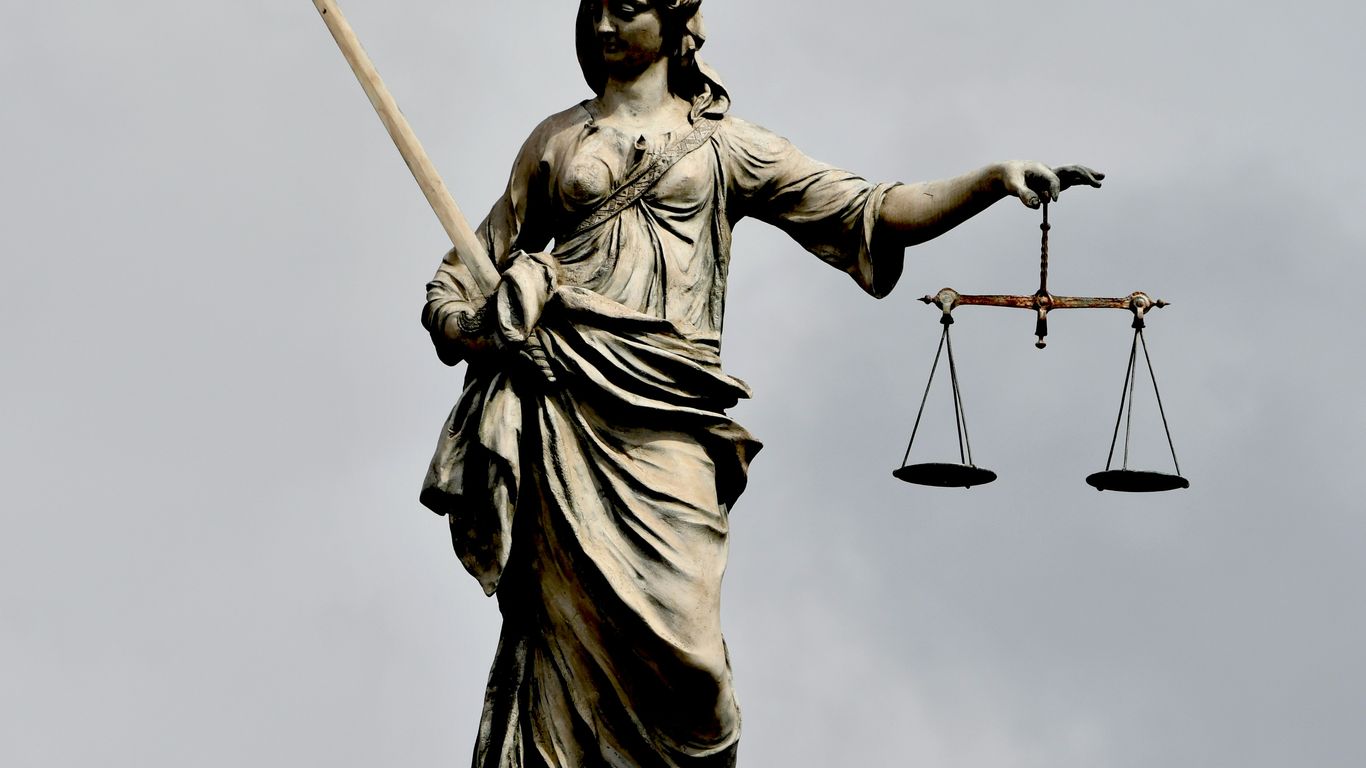
When we talk about checks and balances, it’s not just about how government branches keep each other in line. A huge part of it is how the whole system is set up to protect us, the individuals, from getting steamrolled by the government. Think of it as a built-in safety net.
Bill of Rights as a Limiting Instrument
The Bill of Rights is probably the most obvious example. These first ten amendments to the Constitution lay out specific freedoms and rights that the government can’t mess with. Things like freedom of speech, religion, and the right to a fair trial are all in there. These aren’t suggestions; they’re hard limits on government power. The idea is that no matter how much power the government has, it can’t take away these basic protections.
Equal Protection Enforcement
Then there’s the Equal Protection Clause, usually found in the 14th Amendment. This part is all about making sure the government treats everyone the same under the law. It doesn’t mean everyone gets the same outcome, but it does mean that if the government is going to treat different groups of people differently, it has to have a really good, non-discriminatory reason for doing so. Courts look at this closely to make sure laws aren’t unfairly targeting certain groups.
Safeguards Against Discrimination and Abuse
Beyond the big, famous rights, there are lots of other protections woven into the legal fabric. These are designed to prevent government officials from acting arbitrarily or abusing their power. This can include things like:
- Due process rights, which mean the government has to follow fair procedures before it can take away your life, liberty, or property.
- Protection against unreasonable searches and seizures, so the police can’t just barge into your home whenever they feel like it.
- The right to legal counsel, even if you can’t afford a lawyer yourself.
These safeguards work together, creating layers of protection. It’s not just one big rule, but a whole system of smaller rules and rights that, when combined, make it much harder for the government to overstep its bounds and harm individuals. It’s about ensuring that power is checked not just between branches, but also in its impact on everyday people.
It’s a constant effort, though. The interpretation and enforcement of these rights can change over time, and it often takes legal challenges to make sure these protections are actually upheld in practice. But the framework is there, designed to keep government power in check and safeguard individual liberties.
Legal Remedies and Accountability in Public Law
When government actions overstep their bounds or violate established rights, legal remedies and accountability mechanisms are what step in to correct the course. It’s not just about punishing wrongdoing; it’s about making things right and making sure it doesn’t happen again. Think of it as the system’s way of saying, ‘Hold on a minute, that’s not how this is supposed to work.’
Injunctive and Declaratory Relief
Sometimes, you need a court to step in and stop something from happening before it causes more damage. That’s where injunctive relief comes in. A court can issue an injunction, which is basically an order telling a government entity or official to do something or, more often, to stop doing something. This is super important for preventing ongoing harm. On the other hand, declaratory judgments are about clarifying the legal situation. If there’s a dispute about what a law means or whether a government action is legal, a court can issue a declaratory judgment to spell it out. This doesn’t necessarily order anyone to do anything, but it settles the question of legality. It’s like getting a definitive answer so everyone knows where they stand. For instance, a group might seek a declaratory judgment on the constitutionality of a new regulation before it even goes into effect.
Civil Rights Litigation and Constitutional Torts
This is where individuals can directly challenge government actions that infringe upon their constitutional rights. Civil rights litigation allows people to sue government officials or agencies for violating their rights, like freedom of speech or due process. A specific type of this is a constitutional tort, which is a claim against a government official for violating your constitutional rights. These lawsuits are a critical way to hold public servants accountable for their actions. It’s not always easy to bring these cases, and there are often hurdles like sovereign immunity to consider, but they are a vital part of the checks and balances system. Without them, some violations might go unaddressed. You can find more information on private law and civil liability systems here.
Mechanisms for Enforcing Checks and Balances
Beyond lawsuits, there are other ways the system keeps itself in check. Administrative review allows for challenges to agency decisions within the agency itself or through specialized administrative courts. Legislative oversight, through committees and investigations, can uncover abuses and lead to reforms. Even public participation, like protests or contacting elected officials, plays a role in signaling when checks and balances might be weakening. Ultimately, a healthy system relies on a combination of formal legal processes and active civic engagement to ensure that power remains distributed and accountable. It’s a constant process, not a one-time fix.
Role of Judicial Precedent in Sustaining Checks and Balances
Judicial precedent, often referred to as stare decisis, is a cornerstone of how our legal system maintains stability and predictability. It means that courts are generally expected to follow the decisions made in previous, similar cases. This isn’t just about making things easier for judges; it’s a fundamental part of how checks and balances actually work in practice.
Think about it: when a higher court makes a ruling, especially on a constitutional matter, that decision sets a standard. Lower courts have to follow it, and even the same court will usually stick to its own past rulings unless there’s a really good reason to change course. This creates a consistent application of the law, which is vital for limiting arbitrary government action. If courts could just ignore past decisions willy-nilly, the rules could change by the day, and no one would know where they stood. That’s not a system that checks power effectively.
Doctrine of Stare Decisis
The principle of stare decisis literally means "to stand by things decided." It’s the idea that courts should adhere to precedent. This doctrine is what gives the law its weight and makes it reliable. Without it, every case would be a brand-new legal puzzle, and the outcomes could be wildly unpredictable.
Here’s a simplified look at how it plays out:
- Lower courts follow higher courts: A ruling from the Supreme Court, for example, is binding on all federal and state courts below it when dealing with federal law or the Constitution.
- Courts follow their own prior decisions: While not as rigid as the rule for lower courts, a court typically won’t overturn its own precedent without strong justification.
- Consistency in interpretation: This doctrine helps ensure that similar cases are treated similarly, preventing favoritism or arbitrary decisions.
The consistent application of legal principles, guided by precedent, acts as a silent but powerful check on governmental overreach. It ensures that the interpretation of laws and constitutional provisions remains grounded and predictable, preventing sudden shifts that could undermine the balance of power.
Balancing Stability with Legal Evolution
Now, stare decisis isn’t meant to be a straitjacket. The law needs to adapt to changing times and societal understanding. So, while courts respect precedent, they also have mechanisms to distinguish cases or, in rare instances, overturn prior decisions. This is where the balancing act comes in.
For instance, if a previous ruling is seen as outdated, unworkable, or based on flawed reasoning, a court might decide to depart from it. This is often a complex process, requiring careful consideration of the original ruling, the reasons for the change, and the potential impact on the legal system and society. It’s a way for the law to evolve without becoming chaotic.
Influence on Constitutional Restraint
Judicial precedent plays a huge role in how constitutional limits are understood and applied. When courts interpret the Constitution, their rulings become precedent that shapes how the legislative and executive branches can act. For example, a landmark Supreme Court decision on free speech doesn’t just decide one case; it sets a rule that Congress and the President must follow.
This creates a continuous dialogue and a system of accountability. The judiciary, through its interpretation and the precedent it sets, can restrain the other branches by declaring their actions unconstitutional. Conversely, the other branches, through their actions and the cases they bring before the courts, influence the development of precedent. It’s a dynamic relationship that keeps the system of checks and balances alive and functioning.
Access to Justice and Public Participation in Governance
Equal access to justice and active public involvement shape fair governance. These factors make sure government decisions reflect everyone’s interests, not just those in power or with resources. These ideas come up a lot in conversations about rule of law and constitutional values.
Public Interest Litigation and Class Actions
Public interest lawsuits and class actions allow groups of people to challenge harmful policies or unfair treatment, especially when individuals would struggle to fight alone. They’re an effective way to test or change government actions that impact many people, from environmental issues to voting rights.
- Class actions bundle many similar individual cases into one, making the process more efficient.
- Public interest suits often address matters affecting all citizens, not just the plaintiffs.
- These legal tools can lead to widespread reforms and set future precedents.
Legal Aid and Representation Protections
Law can feel out of reach for those who can’t afford a lawyer, but legal aid and representation programs try to bridge this divide. Legal aid ensures financial situations don’t block access to justice. Public defenders take criminal cases for those who can’t pay, and nonprofit organizations tackle civil justice for low-income clients.
A quick comparison:
| Legal Aid | Who Benefits | Example Issues |
|---|---|---|
| Civil | Low-income | Housing, benefits |
| Criminal | Accused | Representation at trial |
| Nonprofit | Vulnerable | Immigration, family |
When people can’t access legal advice or representation, unfair results are much more likely. It isn’t just about winning or losing; it’s about having real options and fair procedures.
Transparency and Civic Engagement Mechanisms
Government transparency and tools for civic involvement keep power in check and encourage accountability. Open records laws, freedom of information acts, and public hearings let people know what decisions are being made and why. These steps make it possible for ordinary people to give input before choices are finalized, increasing confidence in public bodies.
Some common mechanisms:
- Public comment periods on new regulations
- Government data portals and published reports
- Town halls and digital forums for citizen feedback
Broader participation supports a government that truly reflects its people. Open processes, fair legal help, and group challenges all act as safeguards—reinforcing the principle that no official stands above the law, and that the public has a real stake in outcomes. To see how these safeguards connect with foundational legal norms, consider the importance of applying laws equally and holding officials accountable. Institutions that make space for public input give democracy its practical meaning every day.
Putting It All Together
So, we’ve talked a lot about how government works, with different parts keeping each other in check. It’s not always a smooth process, and sometimes it feels like things get stuck. But the idea behind these checks and balances is pretty solid: to make sure no single person or group gets too much power. It’s about fairness and making sure everyone’s rights are looked after. While the system might seem complicated, it’s really designed to protect us all. Keeping this balance is an ongoing job, and it requires everyone to pay attention and understand how things are supposed to work.
Frequently Asked Questions
What exactly are checks and balances in government?
Think of checks and balances as a system where different parts of the government have ways to limit or watch over each other. It’s like having different friends checking each other’s work to make sure everything is fair and nobody gets too much power. This stops one person or group from becoming a dictator.
Why is separating government powers important?
Separating powers means dividing the government into different branches, like the lawmakers (legislative), the people who enforce laws (executive), and the judges (judicial). This way, no single branch can do everything. Each branch has its own job and can also check the power of the others.
How does Congress keep the President in check?
Congress has several ways to keep the President in line. They control the government’s money (budget), can investigate the President’s actions, and in extreme cases, can even remove the President from office through impeachment. They also have to approve many of the President’s important decisions.
Can the President do anything to stop Congress?
Yes, the President has some power over Congress. The most well-known is the veto power, where the President can reject a bill passed by Congress. However, Congress can sometimes override a veto if enough members agree.
What is judicial review and why does it matter?
Judicial review is the power of courts to look at laws and actions taken by the government and decide if they follow the Constitution. If a law or action goes against the Constitution, the court can cancel it. This is a major way the judicial branch checks the other branches.
How does having different levels of government (like federal and state) help?
This system, called federalism, is another layer of checks and balances. Power is split between the national government and individual state governments. This prevents the national government from becoming too powerful because states have their own areas of authority.
What are administrative agencies and how are they watched?
These are government bodies that handle specific tasks, like environmental protection or food safety. They create rules and enforce them. Checks and balances apply here too; Congress can oversee them, and courts can review their decisions to make sure they are acting fairly and legally.
How do we protect individual rights through this system?
The Constitution, especially the Bill of Rights, lists fundamental rights that the government cannot take away easily. The courts play a big role in protecting these rights, making sure that laws and government actions don’t unfairly harm individuals or groups.